.svg@webp)
Sony A7 V Real-World Review: The Best Hybrid Sony Camera
 Lukas
Zmejevskis
Lukas
Zmejevskis
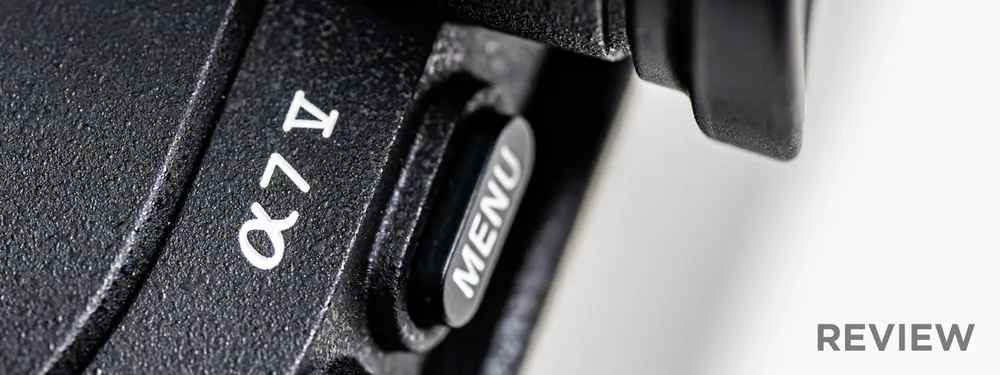
The Sony A7 V is the most important full frame mirrorless camera in the Sony lineup, and one of the most important cameras overall in the industry. I have been a Sony shooter since the A7R Mark I came out, when I experienced the painful and costly transition from DSLRs to a brand new mirrorless system. Since then, Sony full frame mirrorless cameras became the best on the market, and we are now at a stage where innovation has slowed down and system maturity is the main selling point.
I have had the Sony A7V for more than a month now, and this is my honest opinion about the camera, without trying to sell you something or soften my impressions in any way.
Sony A7 V Specs That Actually Matter in Real-World Use
The A7 series is the full frame hybrid camera line that can do it all, but lacks the specialization to do one thing at the absolute highest level. The Mark V is the latest entry, with several meaningful improvements over its predecessor. Spec sheets are interesting and fun to look at for tech enthusiasts, and for that I would recommend visiting dpreview.com. Here, however, I will focus on five specs that actually stand out in real world usage.
 Partially stacked sensor.
The same 33 megapixel resolution, but with a faster readout speed of about 15 milliseconds in electronic shutter mode. The main takeaway is that electronic shutter is now usable. With caveats, but usable.
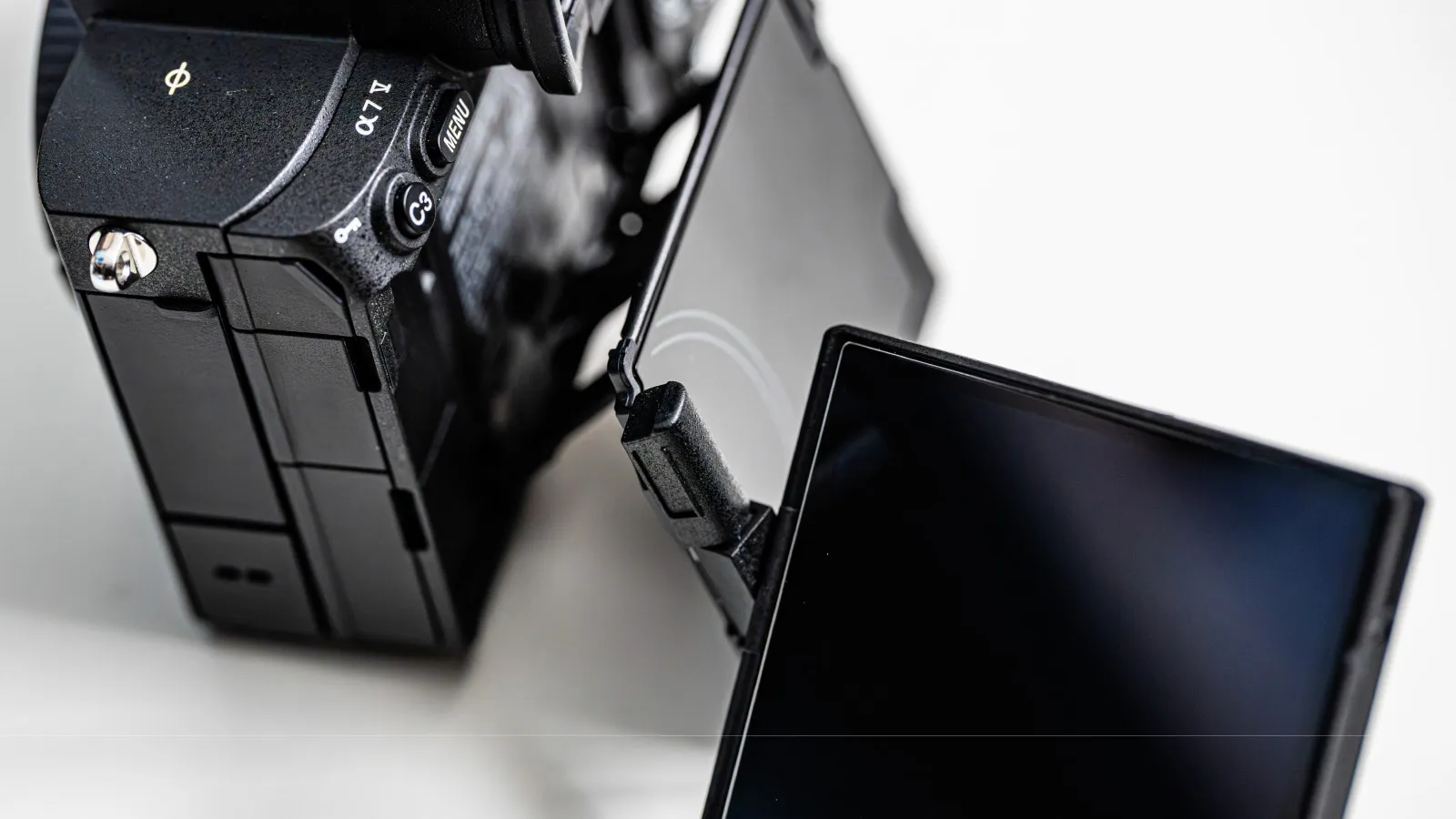
Fully articulating, larger tilt and swivel screen.
A physical feature and an immediate difference maker compared to cameras that do not have this. The screen is brighter too.
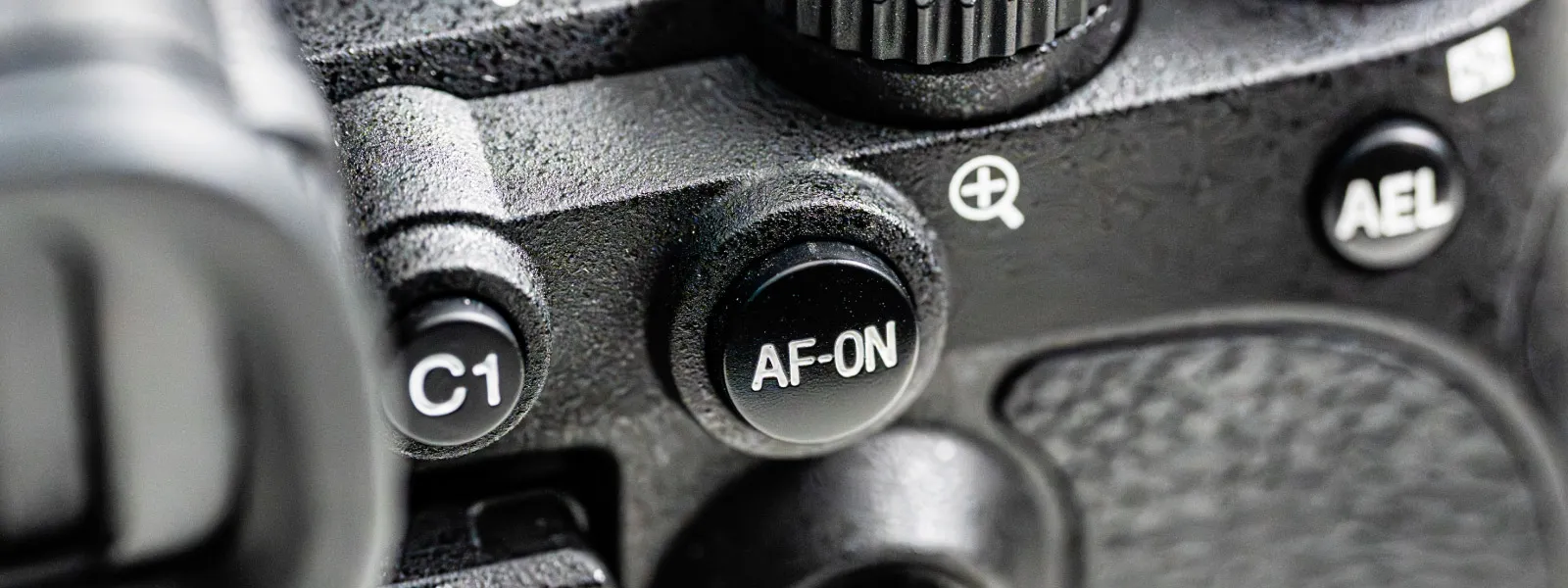
Latest generation autofocus with Auto subject detection.
This is the best autofocus system available on any camera, both for photo and video capture.
No forced crop on 4K 60p video and no overheating.
A one two punch of video features that makes this one of the best full frame video cameras on the market.
30 frames per second shooting, full resolution, RAW, full autofocus, with pre capture.
Speed is now on the menu for this mid range camera.
 These are the real headliners. There are smaller improvements as well, such as dual USB C ports and better battery life, but if these main features do not tempt you, this camera is probably not worth the investment.
Build Quality and Handling After a Month of Use
Sony build quality has always been good, and the A7 V seems excellent, on par with any competing camera. Doors were sometimes creaky on older models and flaps felt loose on others, but everything feels solid and precise on my unit. The mechanical shutter mechanism also sounds different, and it feels like a more robust unit than in previous generations.
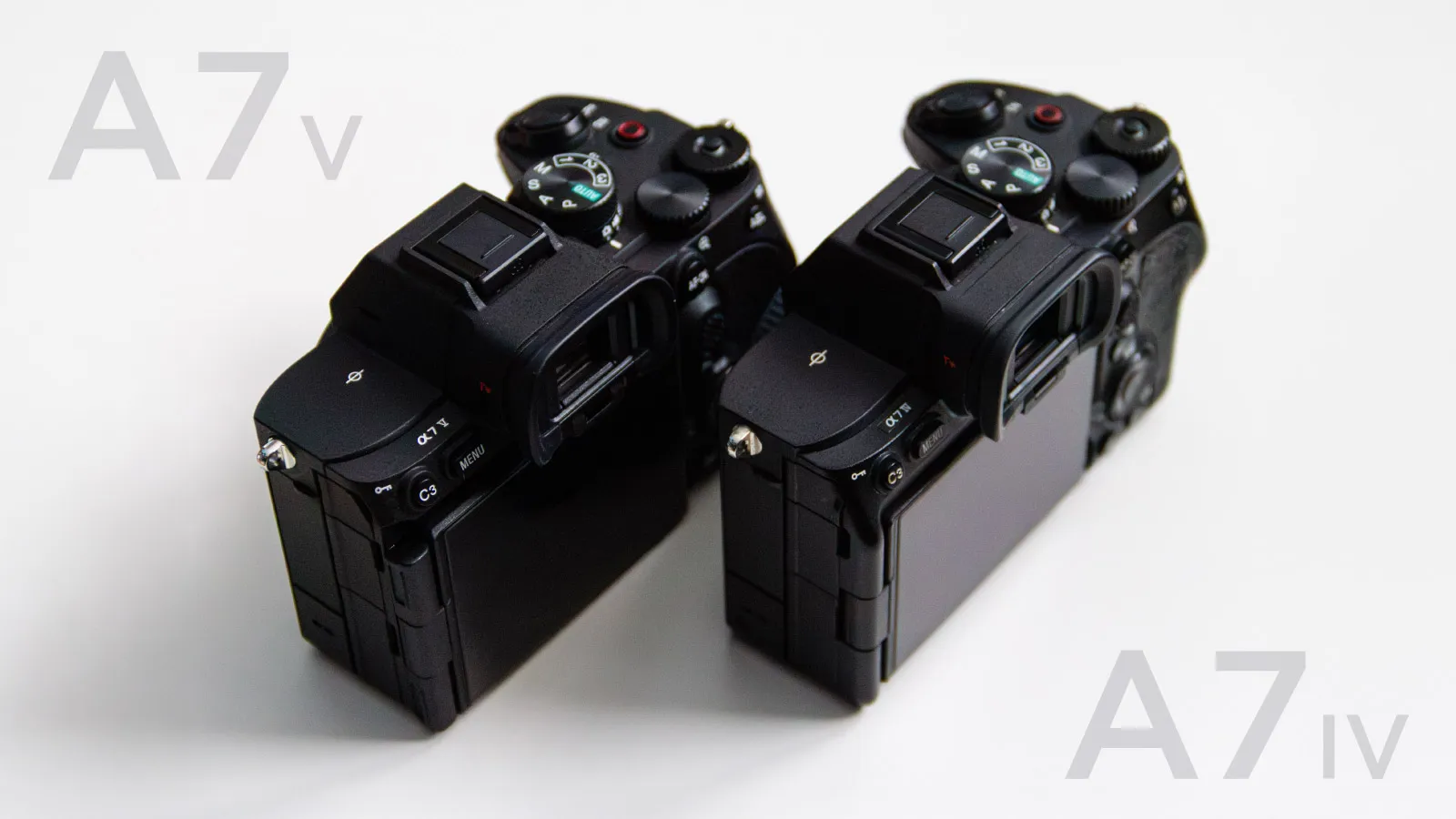 I would go as far as saying that there is nothing left to improve conceptually in terms of physical build quality and overall feel.
Sony A7 V Sensor Performance: Speed vs Dynamic Range
The new partially stacked imaging sensor in the A7 V means speed and quality. Or more accurately, speed or quality. This is not a tradeoff, but a new choice.
With the mechanical shutter, we get the best dynamic range ever seen in a full frame camera. It has effectively reached medium format levels, which can be confirmed by measurements on photonstophotos.com. This is a small but meaningful improvement over the previous generation, and likely the peak of what current sensor technology can offer.
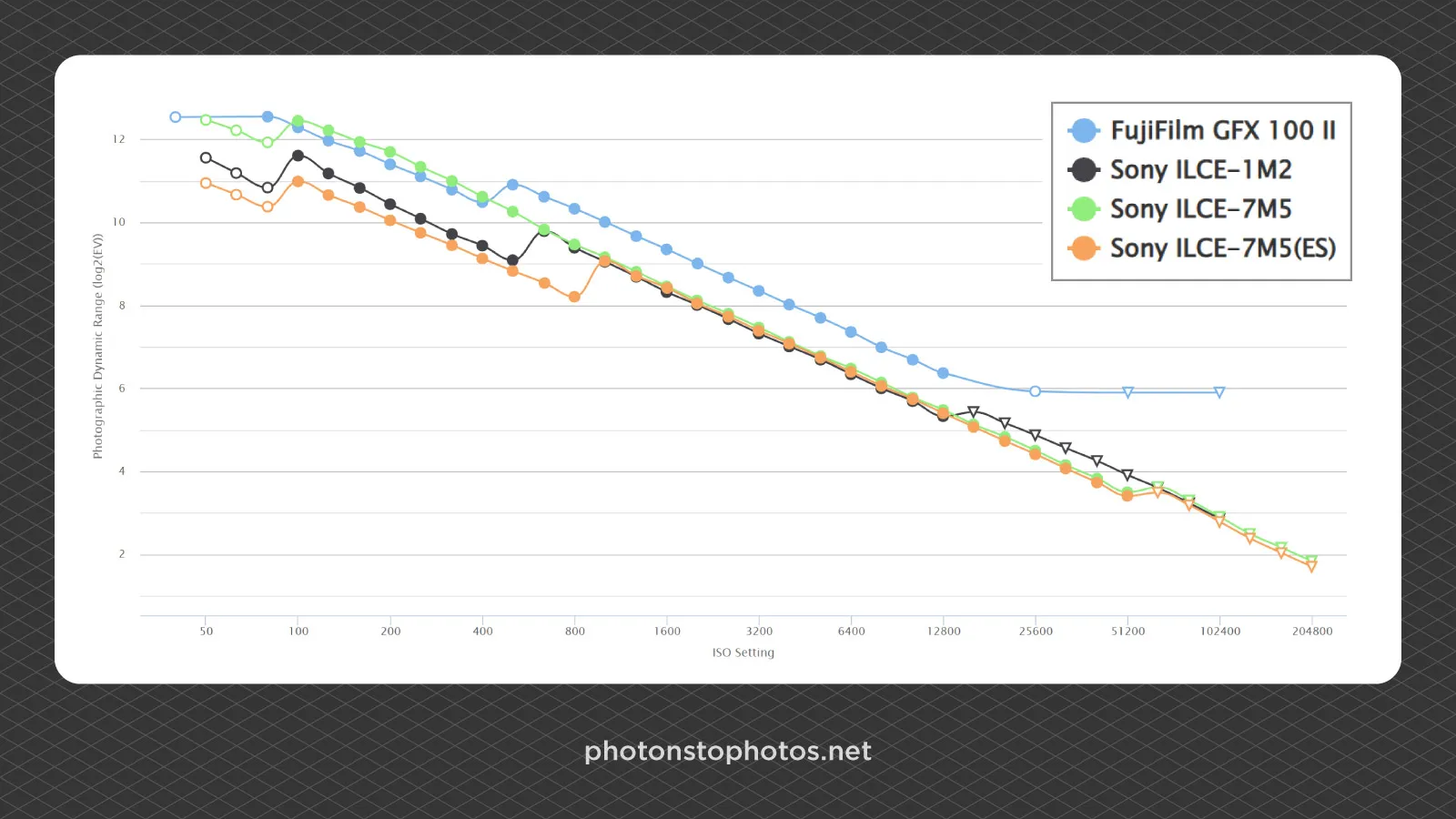 However, this benefit is lost when switching to electronic shutter. The difference is that the readout speed is now fast enough to give us a real reason to use electronic shutter beyond silent shooting.
With electronic shutter, we get 30 frames per second with pre capture, which is genuinely impressive for action photography. None of the previous A7 series models offered this level of speed. For the first time, mid range Sony users can capture fast action at this level, and it is genuinely fun to use. Below is a timelapse of 30 fps sequences displayed at half speed, watch the video at 2x speed to see what I saw in the viewfinder. And because there is no blackout in camera - the representation is quite accurate.
The faster readout speed also affects video shooting. We now get 4K 60p without crop and 4K 120p with a 1.5x crop. Autofocus works well during video and remains fully functional with Clear Image Zoom. This allows switching between full frame and APS C formats, while still retaining usable digital zoom with autofocus, something that was not possible on previous A7 series cameras. Rolling shutter artifacts are also much less visible. Full HD capture up to 240 frames per second is available as well.
Sony A7 V Compared to Other Sony Full-Frame Cameras
Sony’s current generation lineup consists of the A1II, A7R V, A9 III, and A7 V. All of these cameras share the latest generation autofocus system and the fully articulated screen. Other features vary depending on specialization. The A1 is the flagship that does almost everything, the A9 III is the speed king with a global shutter, and the R model is the resolution king with 60 megapixels.
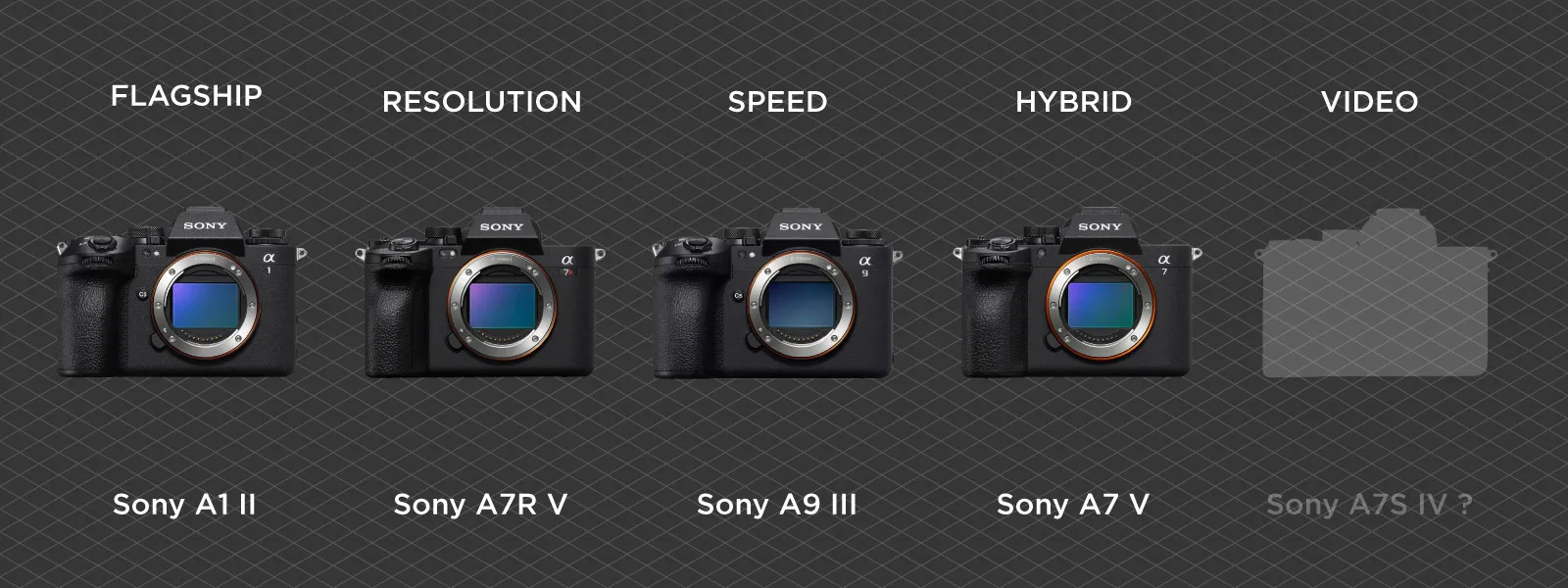 We are still missing an updated video centric S series camera. This leaves the A7 V as the mid range hybrid that does almost everything, but without the 50 megapixel, 8K capable sensor found in the A1. The term “baby A1” is often used, and I largely agree with it. The A7 V does everything better than any previous A7 model and competes well in video capture with oversampled 7K footage at 10 bit, 4:2:2 color and multiple stabilization and crop options.
If you are coming from the A7 III or A7 IV, shooting speed and autofocus will be the most noticeable improvements. However we also notice the price increase as well, in the begining of 2026 the A7V has a base price of about 2900 euros in europe or 2800 USD in the US. That is substantially more than launch prices of its predecessors.
Finally, the lack of overheating during video capture, improved battery life, better webcam resolution, and dual USB C ports all make a real difference. Long form professional video capture is now possible, the camera will not overheat in 4k 60p, either crop or full frame in any reasonable conditions, and you can stream in 4K 30p via a fast usb cable. All of this while supplying power through the second USB C port without worrying about overheating or battery life.
Is the Sony A7 V Good for Photogrammetry Work?
Photogrammetry does not depend on having the latest and greatest full frame camera. The A7 V is excellent for photogrammetry work, but not dramatically better than any other competent full frame camera. It simply has all the things a good camera should have, so it works reliably.
With the faster sensor readout, electronic shutter is now also a viable option, whether to preserve the mechanical shutter or to keep the capture process silent. The Sony A7V is now my main workhorse camera for photogrammetry and you will see many terrestrial examples made with it on this blog.
I will use the electronic shutter in less demanding scenes (in terms of dynamic range) and whenever I need ISO 1000 or more, as the dynamic range capabilities equalise at this value. And ofcourse - if I need totally silent operation. Taking thousands of photos in photogrammetric scans and preserving mechanical shutter just feels right.
Practical Advice for Sony A7 V Owners
If you are considering this camera as your first serious camera or as an upgrade, there are a few important things to be aware of.
Memory cards and buffer limitations.
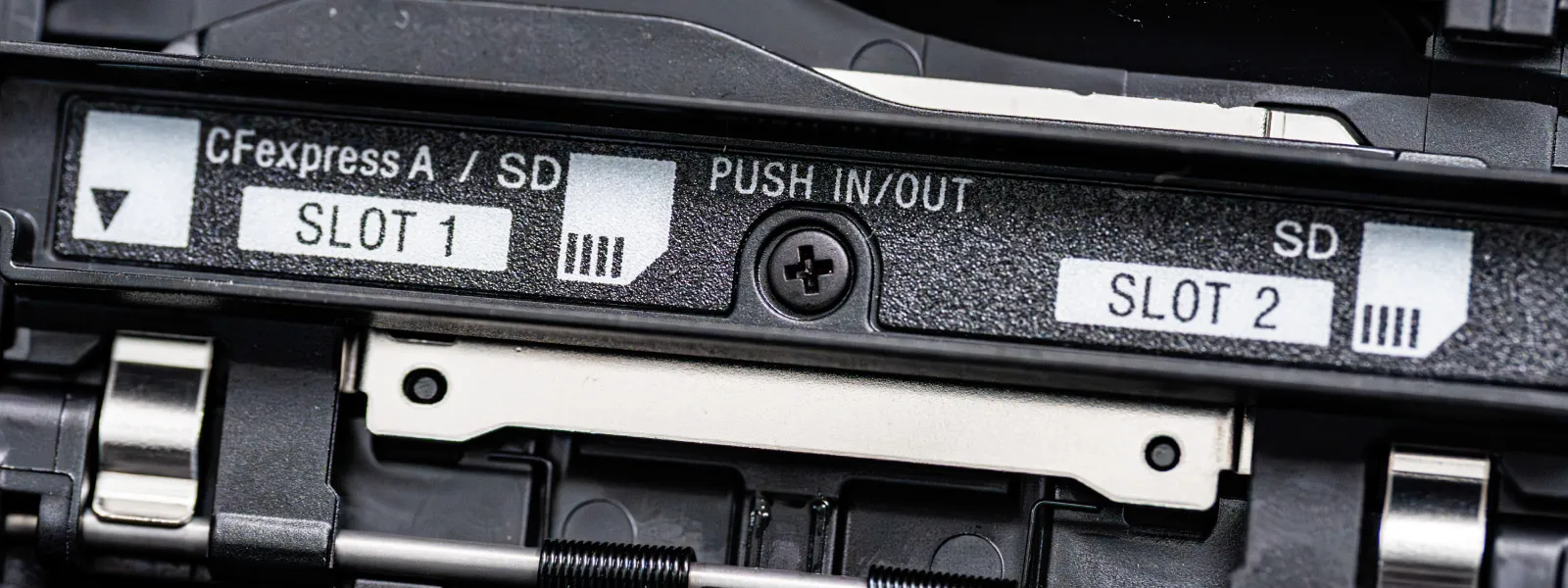
The buffer is not especially deep, which means offloading 30 frame per second bursts to the card becomes a real limitation. Using a CFexpress Type A card can roughly double burst length and significantly improve buffer clearing times. Even V90 SD cards are nowhere near CFexpress performance, so you will need the more expensive card for smooth, fast shooting experience.
 High speed shooting and culling workflow.
Whether in camera or on a computer, efficient culling becomes a necessary part of the workflow when shooting at 30 frames per second. You get a lot of photos to deal with.
Third party lens limitations.
Sony caps third party lenses at 15 frames per second, which is half of what the camera can do. The demanding autofocus system also means that firmware updates are still required for many third party lenses to work reliably. I am waiting on multiple lenses to receive the update as I write this article.
RAW file support and software compatibility.
At the time of writing as of February 2026, Adobe products do not fully support Sony’s new RAW compression formats. It is baffling to me that it takes so long for Adobe to add compatibility.

Final Thoughts on the Sony A7 V
The Sony A7 V is not about flashy headline features. It is about removing limitations that used to exist in the A7 line and quietly making everything work better. It is fast when it needs to be, flexible when it has to be, and reliable enough that it fades into the background during actual shooting. If you value versatility, consistency, and real world usability over specialization, the A7 V is the most complete mid-range mirrorless camera Sony has ever made.
Photographer - Drone Pilot - Photogrammetrist. Years of experience in gathering data for photogrammetry projects, client support and consultations, software testing, and working with development and marketing teams. Feel free to contact me via Pixpro Discord or email (l.zmejevskis@pix-pro.com) if you have any questions about our blog.
Related Blog Posts
Our Related Posts
All of our tools and technologies are designed, modified and updated keeping your needs in mind
Shutter Speed, ISO and Motion Blur in Drone Photogrammetry, Part 2: The Roof Test
This is the practical part. Same roof, same orbit, seven times, from high ISO and a fast shutter down to low ISO and a shutter so slow it has no business producing a 3D model.
 Pixpro Team
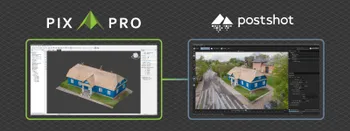
Pixpro to Gaussian Splatting: How to Export Your Project to Postshot
Gaussian splatting is no longer a curiosity. People are using it for walkthroughs, marketing visuals, virtual environments, and increasingly as a pretty companion to a scan they already flew.
Pixpro Team

The Top 10 Pixpro Blog Articles So Far
We have been publishing on this blog every week for years now, on everything from stockpile volumes and coordinate systems to scanning a cake. So it seemed like a good time to look at the numbers and see which posts people actually read, rather than which ones we enjoyed writing.
Pixpro Team
Ready to get started with your project?
You can choose from our three different plans or ask for a custom solution where you can process as many photos as you like!
Free 14-day trial. Cancel any time.