.svg@webp)
DJI Lito X1 Review: Specs, Flight Impressions, and How It Compares to the Lito 1
 Lukas
Zmejevskis
Lukas
Zmejevskis
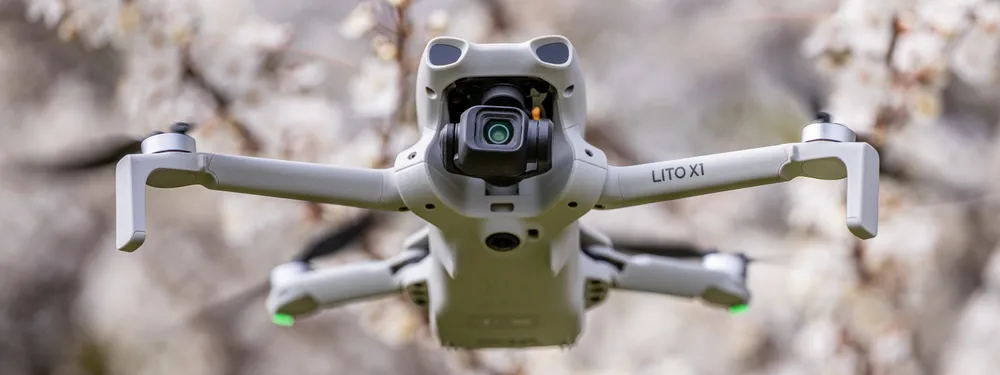
DJI recently launched a new drone series called Lito. It consists of two drones, the Lito 1 and the Lito X1. Both are sub-250 gram drones aimed at the more affordable end of the small drone segment.
DJI continues to push hard in this category. Between the Mini, Neo, Flip, and now Lito series, the small drone shelf has never been more crowded, and the company shows no signs of slowing down. Each new release narrows the gap between budget and premium options, and the Lito X1 is a good example of that trend. It brings a feature set that until recently would have been reserved for considerably more expensive drones. In this review I will go through the DJI Lito X1, look at what it offers, and compare it on paper to the cheaper Lito 1.
DJI Lito X1 vs Lito 1: On Paper Comparison
For me personally this line launch came quite unexpectedly. I was not expecting two 250 gram class drones when the Mini 5 Pro is so excellent, but admittedly quite expensive. The Lito series spiritually replaces the Mini SE and Mini 4K drones from the past, thus becoming the standard GPS drone entry level offering from DJI.
|
DJI Lito 1 |
DJI Lito X1 |
|
|
Price |
339 € |
419 € |
|
Sensor |
1/2-inch CMOS, 48 MP |
1/1.3-inch CMOS, 48 MP |
|
Lens |
79° FOV, 26.2 mm equivalent, f/1.8, focus from 4 m to infinity |
82.1° FOV, 24 mm equivalent, f/1.7, focus from 1 m to infinity |
|
Max photo size |
8000 × 6000 |
8064 × 6048 |
|
Photo format |
JPEG / DNG RAW |
JPEG / DNG RAW |
|
Video modes |
H.265: 4K up to 100 fps, FHD up to 100 fps, 2.7K vertical up to 60 fps. H.264: FHD up to 60 fps, 2.7K vertical up to 60 fps |
H.265: 4K up to 100 fps, FHD up to 200 fps, 2.7K vertical up to 60 fps. H.264: FHD up to 60 fps, 2.7K vertical up to 60 fps |
|
Color |
Normal: 8-bit H.264, 10-bit H.265 |
Normal: 8-bit H.264, 10-bit H.265. D-Log M: 10-bit H.265 |
|
Max video bitrate |
130 Mbps |
130 Mbps |
|
Gimbal |
3-axis mechanical gimbal |
3-axis mechanical gimbal |
|
Obstacle sensing |
Omnidirectional monocular vision system + downward infrared sensor |
Omnidirectional monocular vision system + forward-facing LiDAR + downward infrared sensor |
|
Transmission |
DJI O4, live view up to 1080p/60 fps, max 15 km IC / 8 km CE |
DJI O4, live view up to 1080p/60 fps, max 15 km IC / 8 km CE |
|
Internal storage |
None |
42 GB |
|
Waypoint Flight |
Not supported |
Supported |
The main difference between these drones is the camera: the Lito X1 gets a larger 1/1.3-inch main camera sensor, while the Lito 1 uses a smaller 1/2-inch sensor. The X1 also has better obstacle sensing, including forward LiDAR, and 42 GB of internal storage instead of 0. The price difference is about 20 percent or 80 euros. And there is one key software difference between these drones - waypoint support.
If you are visiting this blog not for the first time - you probably know that waypoint functionality alone is worth the more premium price. But we will get back to that in a future photogrammetry oriented post. For now - if you care about photogrammetry at all - just get the X1.
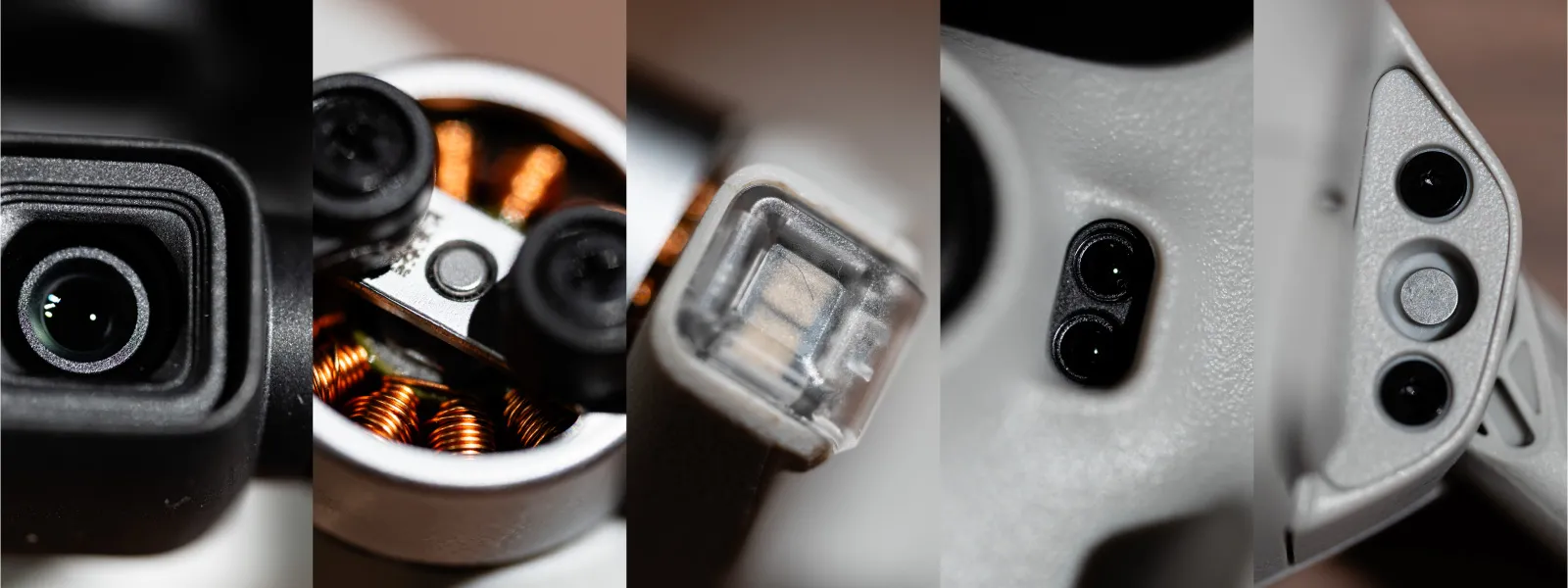 So in my humble opinion the X1 is a much better product. That 1/1.3-inch sensor is very familiar and I think it marks a threshold from amateur to professionally usable video and photo quality. The line is hard to draw, but if I had to do it, the smaller 1/2-inch sensor is just left behind it, while I would consider the 1/1.3-inch equipped cameras good enough.
Combine that with the better obstacle avoidance (and cruise control, which the cheaper variants omit) and it is a no brainer for me. I can confidently say that the Lito X1 is the best beginner sub 250 gram drone currently on the market.
 Lito X1 Hardware and Build Quality
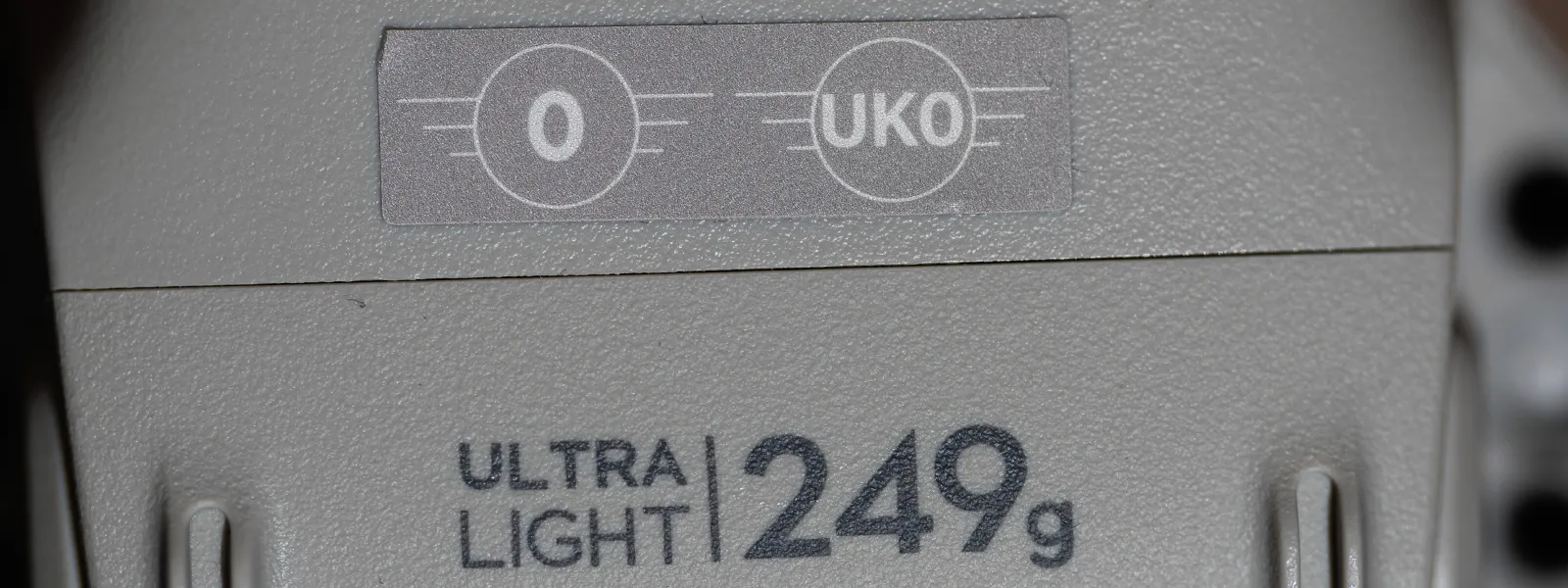
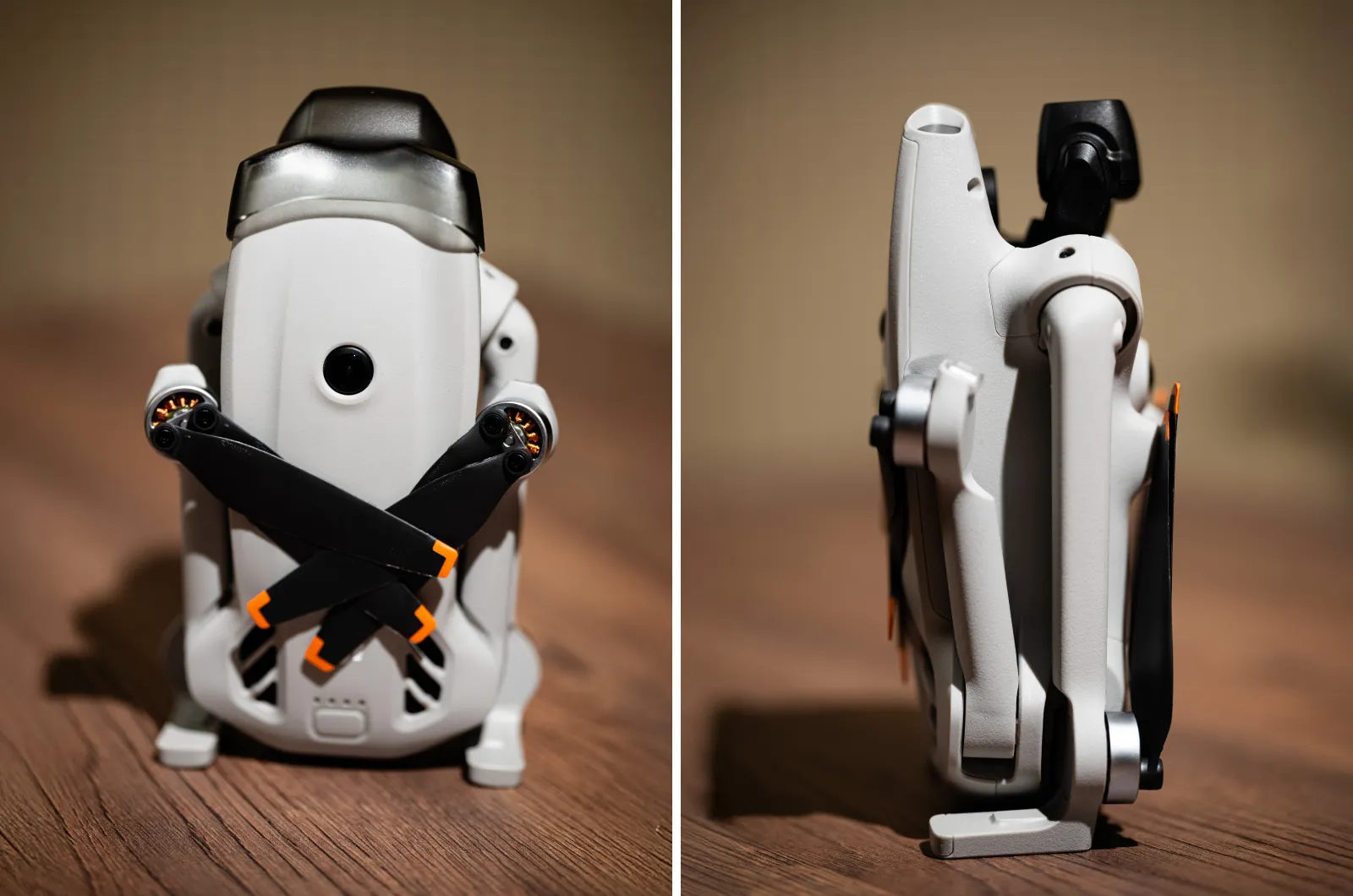
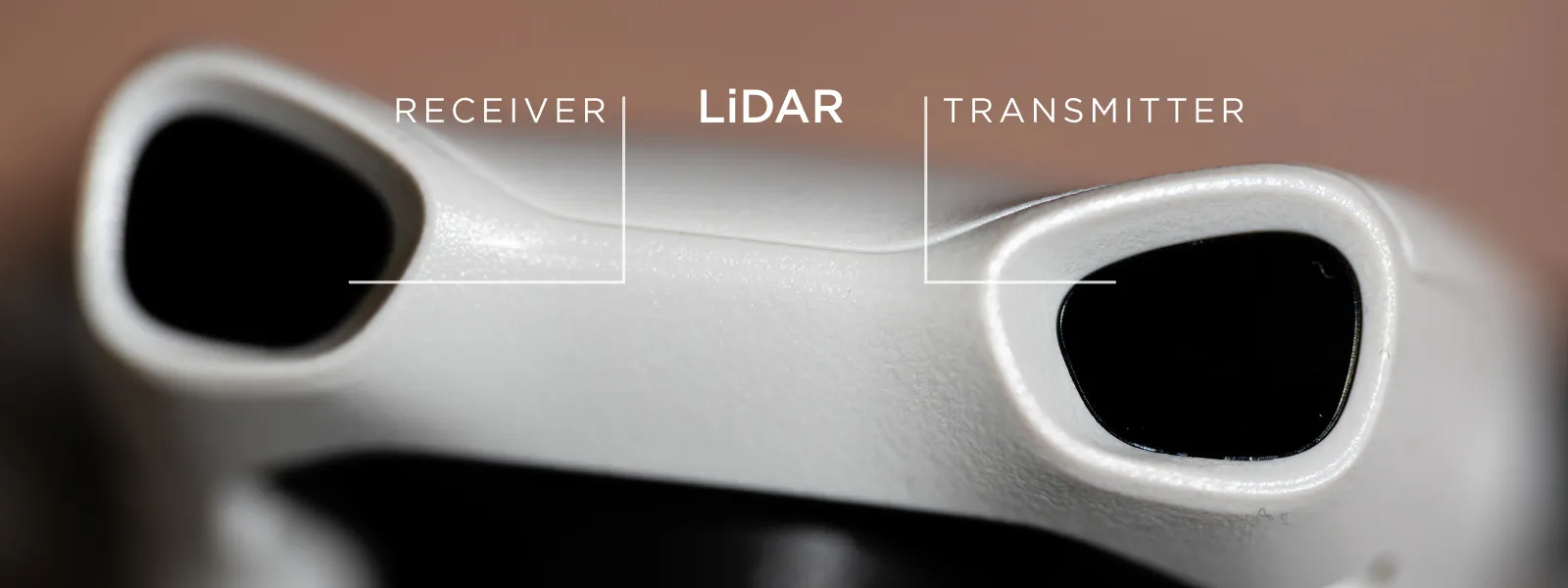
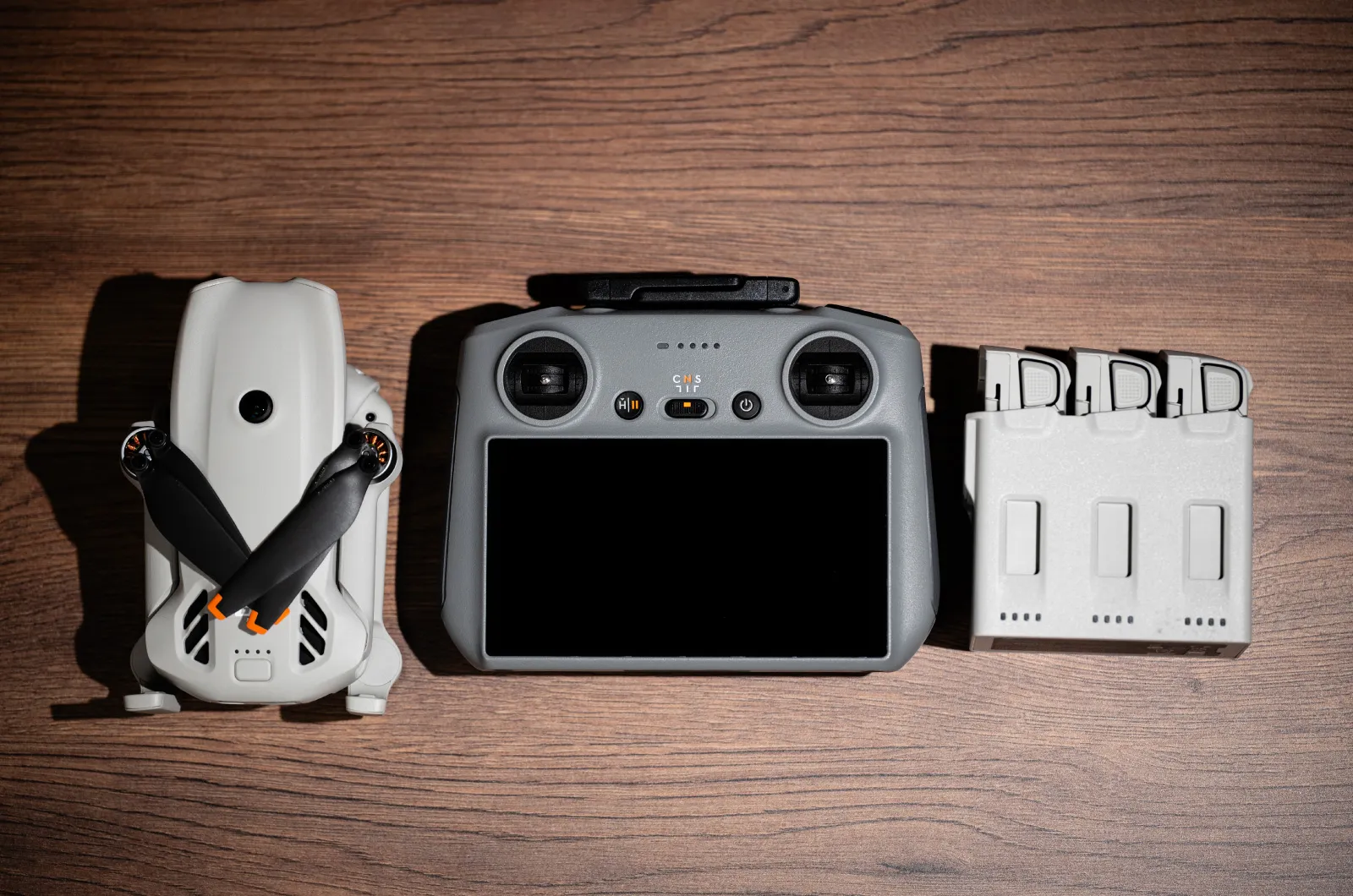
The drone build quality is excellent. It is super clean, with fewer external camera sensors visible and the LiDAR sensor barely noticeable. The arms unfold really solidly, and it seems that the structure is somewhat updated. The overall plastics seem a bit thicker than on Minis, maybe the internals got so light that they could afford a bit more of a solid shell. The camera filter holder also looks like a good design with recessed notches. The only possible improvement for the future could be to keep the drone under 250 grams while adding a level of environmental sealing. Finally, it now can be placed standing with arms folded, and looks damn good. 10/10.
 Lito X1 Flight Experience and Why It Is the Best
It is official, the DJI hardware and software systems have reached full maturity. A relatively affordable drone drops out of nowhere and it works just as any other DJI drone, once again. ZERO things to complain about.
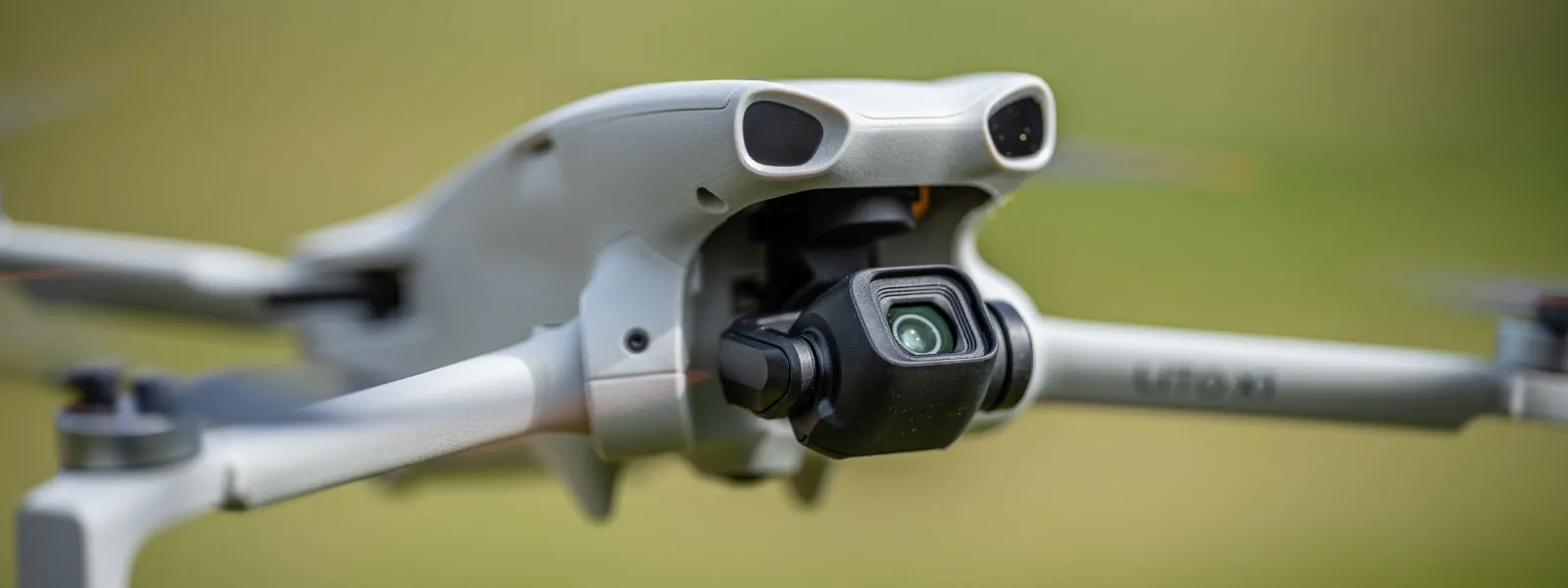 Because I have flown every real drone that came out in the past 5 years, I can report a bit of nuance. The acceleration is a tad slower than on other higher end drones, but the Lito X1 does reach a respectable top speed. 10 meters per second in normal mode (36 kph), or a rapid 16 meters per second (57 kph) in sport mode, which of course disables the obstacle avoidance.
That is it. That is the nuanced opinion I can offer. Everything else is just familiar and perfect as it is. Smooth, stable, responsive like any other recent DJI drone. Oh, and it is probably the quietest little drone yet.
Operating the DJI Lito X1: Remote, App, and Obstacle Avoidance
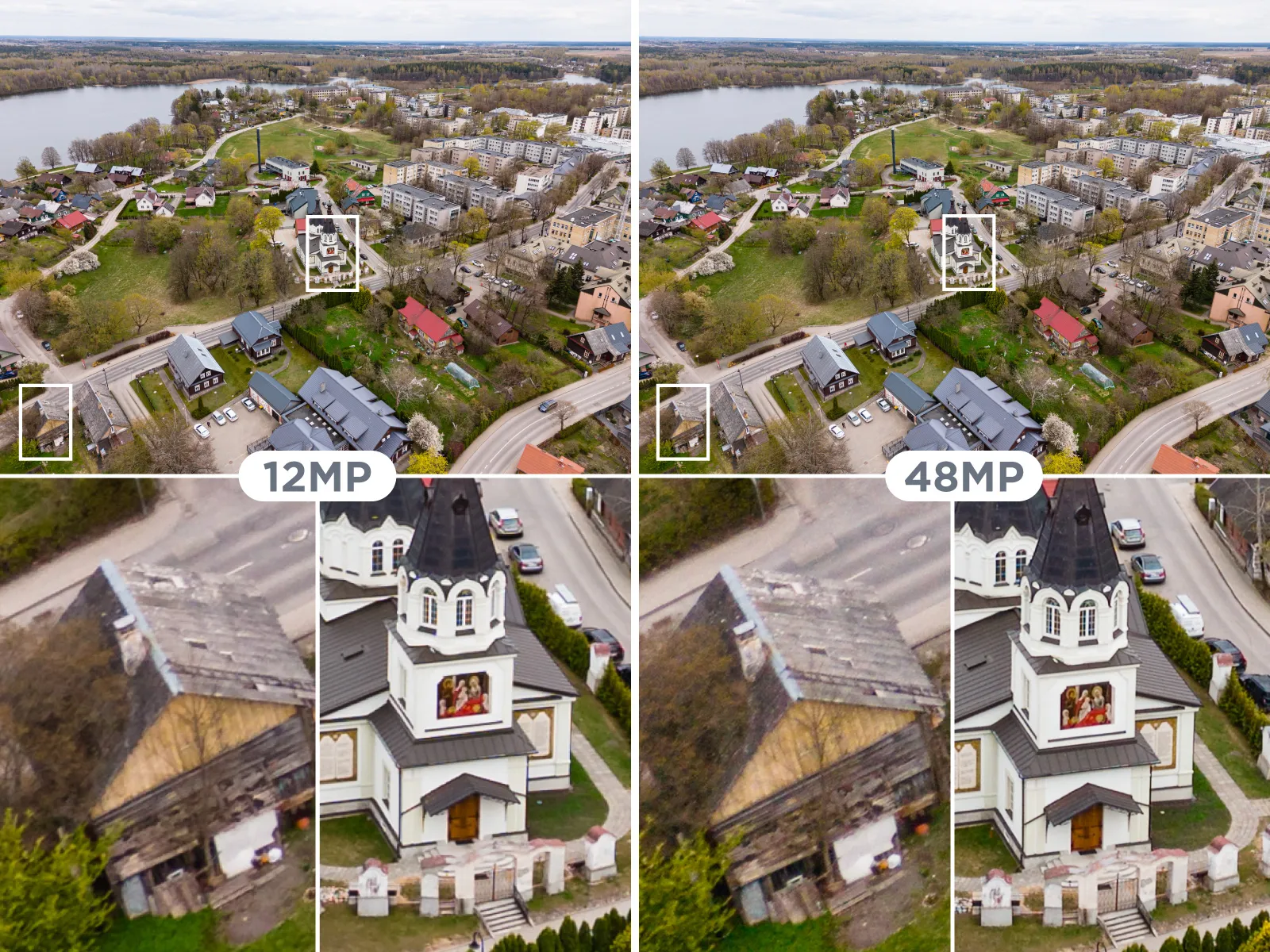
The same RC2 remote with the deeply familiar DJI Fly app. Again, I am digging deep to find something to say. I did find a new behavioral change. Timed shot mode does not allow the 48 megapixel resolution. When 48 megapixel photos are enabled, the camera operation slows down more than it does with other drones. So much so that they decided not to allow using the higher resolution in timed shot mode. Not a big deal in my opinion, I prefer using the 12 megapixel mode in most cases.
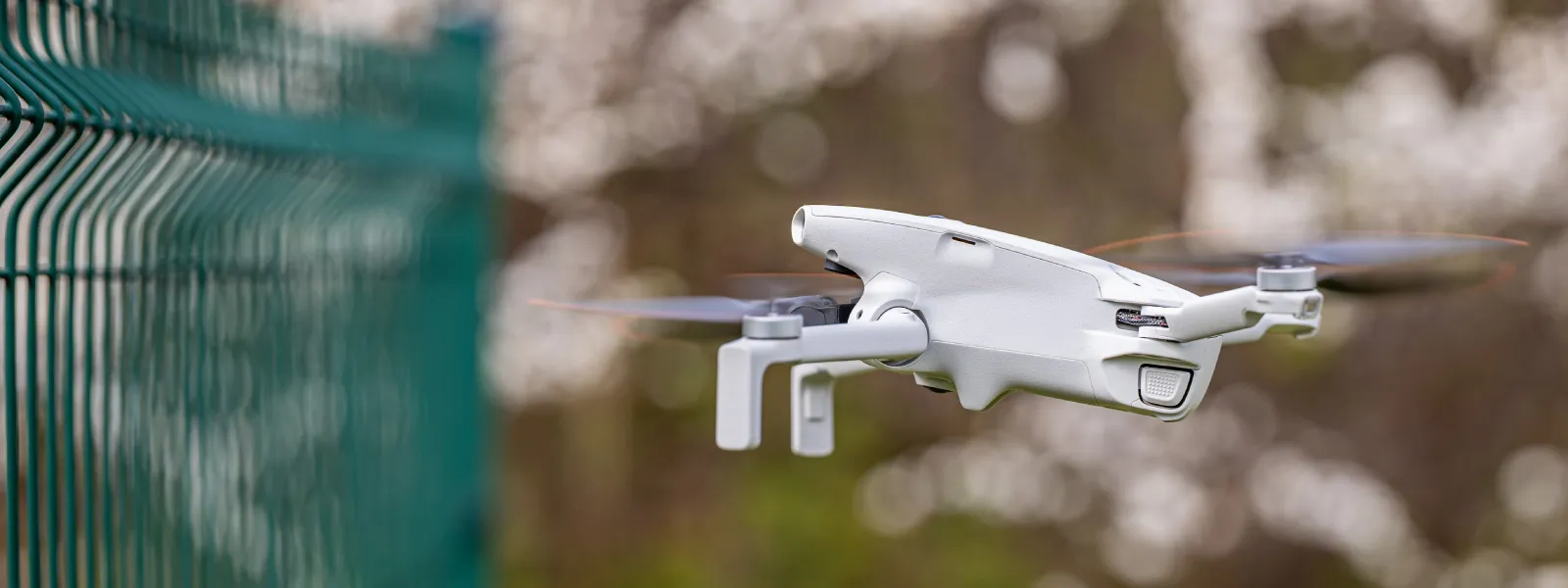 The monocular 360 degree obstacle avoidance works just fine as well. It means that we have a wide angle lens looking up and a wide angle lens looking down. Front avoidance is supplemented by a LiDAR, while downward vision is supplemented by IR illumination. This is enough, and this might be the leanest way of achieving a full 360 degree bubble of safety. The system on the Mavic 4 Pro and Mini 5 Pro may be a bit more responsive and precise, but I ran all of my tests with the Lito X1 and it never failed. Leaves, branches, wires, walls, glass. Capabilities are on par with any other drone.
 Lito X1 Camera Quality
It is good. The processing pipeline is mature and stable, results in good lighting conditions are superb for what the camera is, and good stuff is achievable in lower light. I am afraid there is little to say here. We have seen this kind of quality before, we were ok with it then, and we still are now. This applies to both photo and video capture.
 Is There a Catch with the DJI Lito X1?
There is no catch. It is just the Mini 4 Pro for a bit less money in a slightly newer body. It can fly for 30 minutes, reach decent speeds, capture the same quality videos and photos, and run with the same remote controller and app. Unless some kind of hardware production issue rears its head en masse, there is no catch. It is just a good drone for a good price.
 Final Thoughts on the DJI Lito X1
The Lito X1 sits in an interesting spot. It is not trying to be a flagship, and DJI is not pretending it is one. What it does is bring most of what made the Mini 4 Pro such a good drone into a more affordable package, with the addition of forward LiDAR and 42 GB of internal storage. For most people getting into the sub 250 gram category for the first time, this is the drone to get.
This is the first article in a short series I am planning around the Lito X1. The next one will compare it directly to the Mini 4 Pro and Mini 5 Pro, and after that we will get into the more relevant question for this blog: how the Lito X1 holds up as a photogrammetry tool, including practical use with Pixpro Waypoints.
Photographer - Drone Pilot - Photogrammetrist. Years of experience in gathering data for photogrammetry projects, client support and consultations, software testing, and working with development and marketing teams. Feel free to contact me via Pixpro Discord or email (l.zmejevskis@pix-pro.com) if you have any questions about our blog.
Related Blog Posts
Our Related Posts
All of our tools and technologies are designed, modified and updated keeping your needs in mind
Pixpro to Gaussian Splatting: How to Export Your Project to Postshot
Gaussian splatting is no longer a curiosity. People are using it for walkthroughs, marketing visuals, virtual environments, and increasingly as a pretty companion to a scan they already flew.
 Pixpro Team

The Top 10 Pixpro Blog Articles So Far
We have been publishing on this blog every week for years now, on everything from stockpile volumes and coordinate systems to scanning a cake. So it seemed like a good time to look at the numbers and see which posts people actually read, rather than which ones we enjoyed writing.
Pixpro Team
Portrait Orientation in Photogrammetry: When It Actually Helps
Is there anything to gain by scanning in portrait instead of the usual landscape? Sometimes, a little. But orientation is one of the least important decisions you make on a scan, and it is worth understanding why before you give it any more thought than that.
Pixpro Team
Ready to get started with your project?
You can choose from our three different plans or ask for a custom solution where you can process as many photos as you like!
Free 14-day trial. Cancel any time.