.svg@webp)
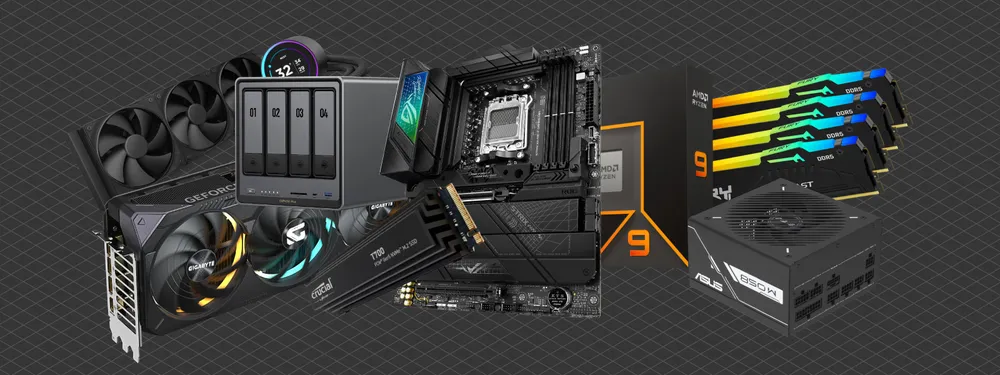
AI datacenter demand has eaten the memory supply. Retail DDR5 is up roughly four to five times in twelve months and SSDs have roughly tripled, while CPUs and motherboards have held steady. The entire increase sits on the two components photogrammetry leans on hardest, and supply is not forecast to recover until 2028. There is more detail in the 2026 workstation build.
Photogrammetry Gear Guide 2026: What a Complete Setup Actually Costs
 Lukas
Zmejevskis
Lukas
Zmejevskis
Sep 24, 2026

Nobody buys a camera and then does photogrammetry with it. You need something to capture with, something to process with, and something to process on, and this year the third one is the most interesting decision of the three.
So here are five complete setups, priced end to end, from the phone in your pocket to a survey grade rig. All figures are September 2026, in euros.
The Short Version
- Free. The phone you own, a free processing tier, and the cloud. A complete working setup for nothing.
- About 450 euros. A DJI Lito X1 and a cheap subscription. Where most people should start.
- About 1,500 euros. A Mini 5 Pro, the best drone you can fly under 250 grams.
- About 5,000 euros. A Mavic 4 Pro plus a real camera for ground work.
- Survey grade is not a tier. Add an RTK rover and ground control points to any of the above and you get survey grade accuracy. The expensive aircraft buys speed, not accuracy.
- The memory shortage has made RAM and SSDs roughly four times what they were a year ago, so cloud processing is the smart way to avoid the worst purchase in the market right now.
Photogrammetry Setups Compared by Budget
| Tier | Capture | Software | Processing | Total |
|---|---|---|---|---|
| Zero | Phone you own | Free tier | Cloud | 0 |
| Entry | DJI Lito X1, 419 EUR | Pixpro Solo, 5 EUR per month | Cloud | ~450 EUR |
| Serious | DJI Mini 5 Pro, 799 EUR | Pixpro Solo Plus, 25 EUR per month | Cloud or existing PC | ~1,500 EUR |
| Professional | Mavic 4 Pro 2,099 EUR plus used full frame | Pixpro Premium, 50 EUR per month | Workstation or cloud | ~5,000 EUR |
| Survey grade | Any of the above plus an RTK rover from 759 EUR | Premium or Enterprise | Workstation or cloud | Tier cost plus 1,000 to 2,500 EUR |
Tier Zero: The Phone You Already Own
The cheapest setup costs nothing, and it is better than the free setup of two years ago for three reasons. Phone cameras keep improving, the gap between a good mid-range phone and a flagship has narrowed to where it no longer matters much for scanning, and the technique itself is simply more available now than it was.
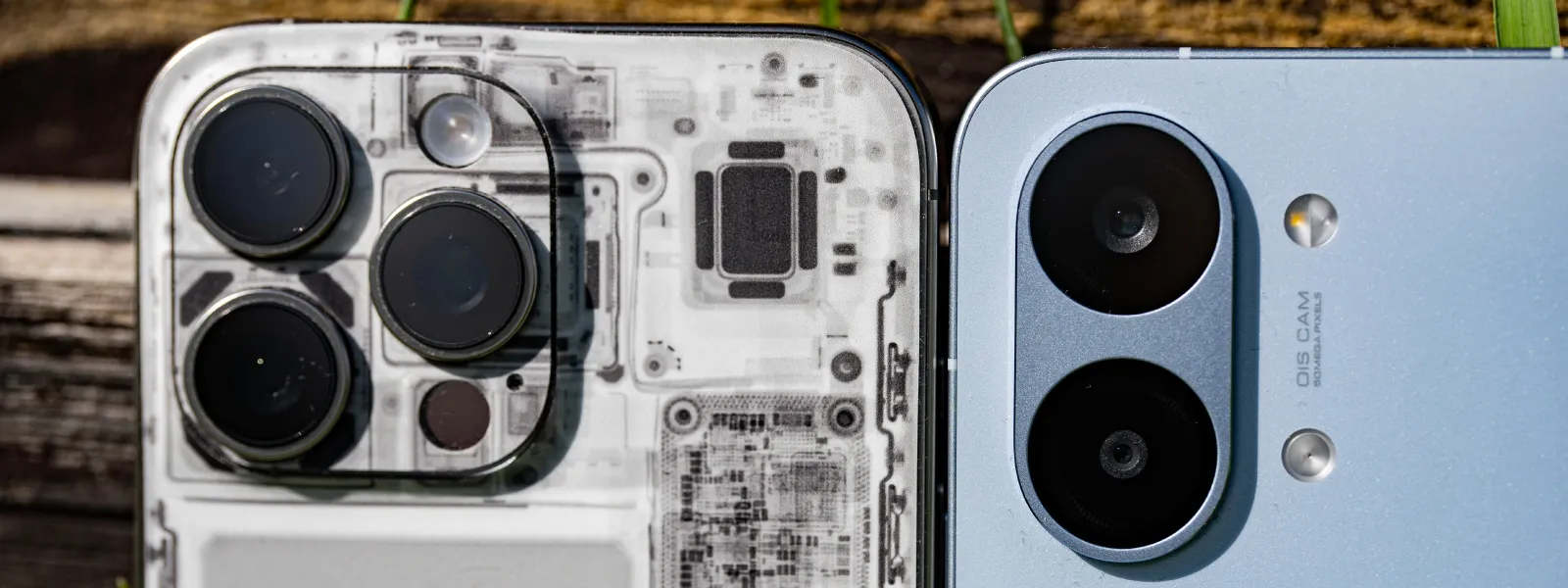 The test has not changed. Do the photos look good to you on a big screen, and do they represent the thing accurately? If yes, that camera is good enough. There is no point going deeper into sensor sizes, because there are too many phones and too many variables for the analysis to help. If you are shopping, a 300 euro Android from the current mid-range is plenty, and there is more in the mid-range smartphone piece.
The software is free too. RealityScan is free under a million dollars in annual revenue, 3DF Zephyr Free handles 50 photos, and WebODM is open source. I went through all of it in the 2026 software price guide.
What is not free is a computer capable of processing, which is the catch this tier used to hide.
The Memory Shortage Changed the Math
Photogrammetry is one of the most memory hungry things a desktop does, and the standard advice was always to buy more RAM. That advice is now expensive.
Cloud processing is the way around it, which is why every tier below can skip the computer. Pixpro includes cloud processing in every plan including the five euro one, so a laptop that could not build a dense cloud locally can still finish the job.
Tier One: The Entry Drone, About 450 Euros
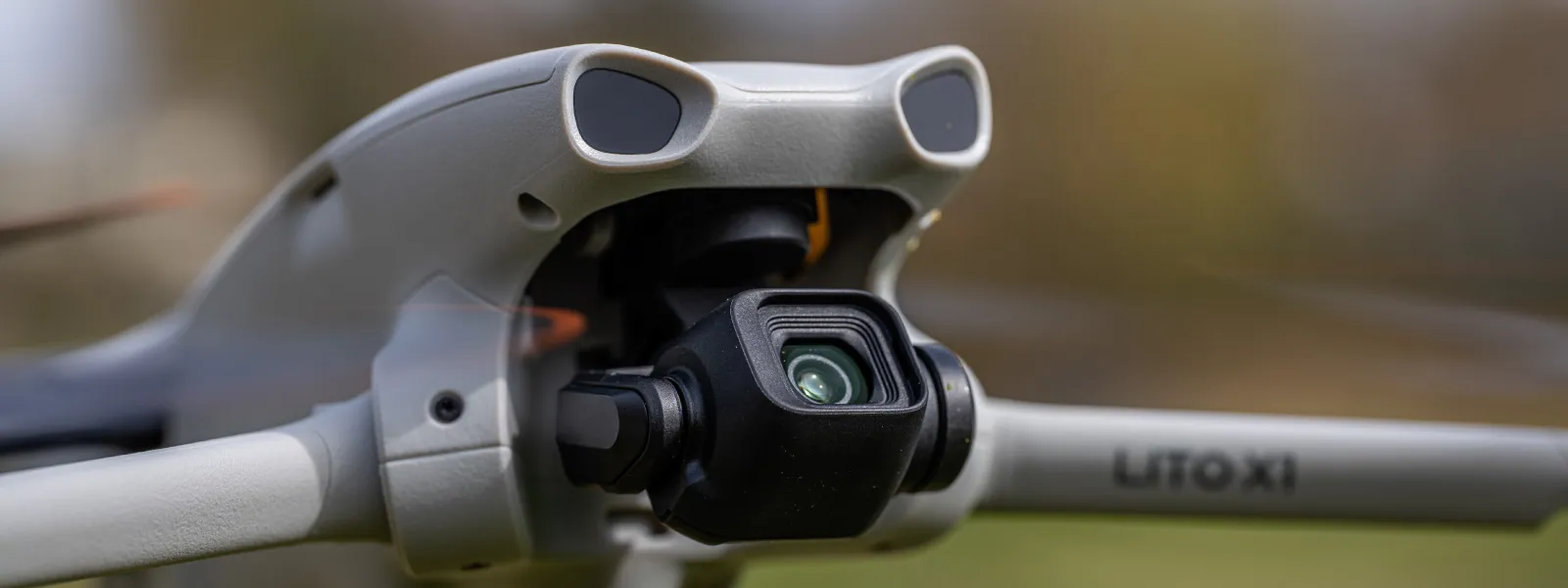
The cheapest way into aerial photogrammetry that I would recommend is the DJI Lito X1 at 419 euros, or 579 with the fly more combo.
It is 249 grams, so it sits in the easiest regulatory class, it has a 1/1.3 inch sensor, and it works with Pixpro Waypoints for automated grids and orbits. Repeatable automated flight is what turns a capable camera into a survey tool, and on a drone this cheap it is the feature that earns its place. I put it against both Minis in the Lito X1 comparison.
 To spend less, buy used rather than buying a worse new drone. A used Mini 3 Pro fly more combo runs somewhere around 550 euros and remains a perfectly good scanning platform. DJI no longer sells it new, and the Mini 4 Pro is being run down too, so second hand is the only route to either.
Add Pixpro Solo at 5 euros a month and you have a complete automated setup for under 450 euros with no computer upgrade.
Tier Two: The Mini 5 Pro, About 1,500 Euros
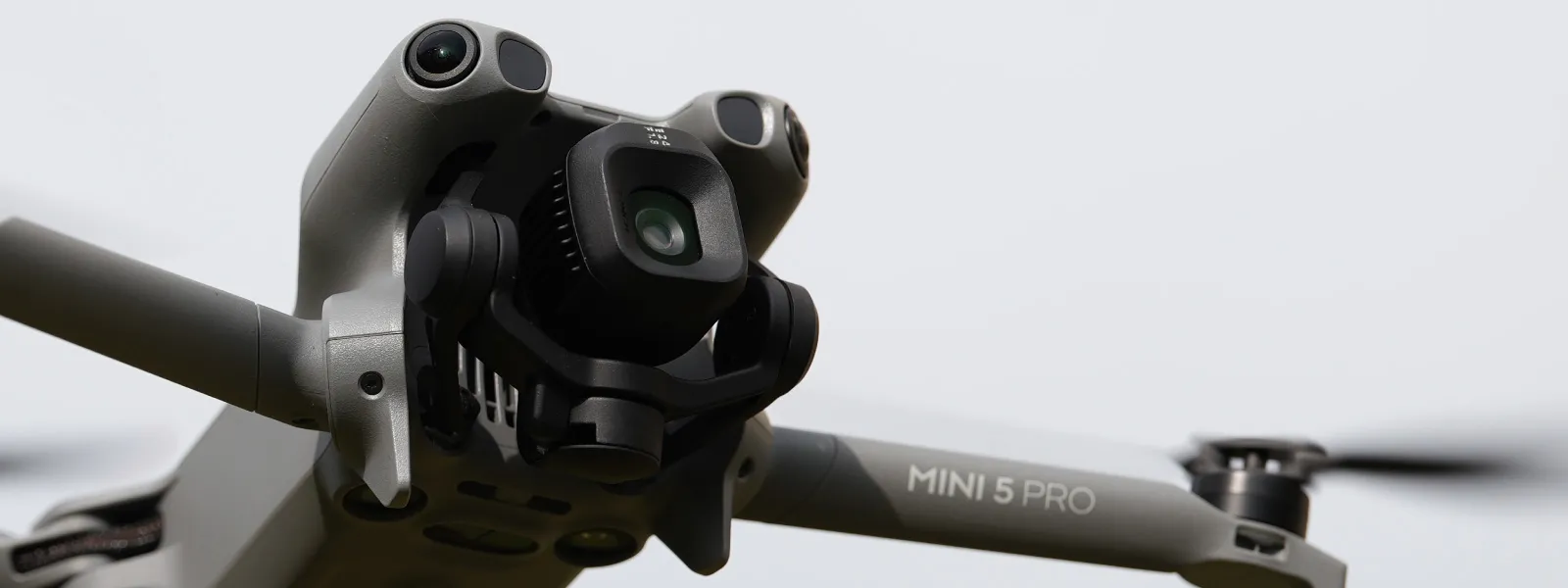
The DJI Mini 5 Pro at 799 euros is the premium option under 250 grams and the one I would point most serious users toward.
It carries a 1 inch 50 megapixel sensor in a 249 gram body and holds 36 minutes on the standard battery or 52 on the Battery Plus. The regulatory class is the real argument: close to prosumer image quality without the weight category that brings paperwork with it. There is a full review if you want the detail.
 This is also the tier where a second battery, a fast memory card and a case stop being optional. Take the fly more combo at 999 euros rather than the bare 799, because you will buy the extras anyway and they cost more separately.
With Pixpro Solo Plus at 25 euros a month and the cloud processing, the whole thing lands around 1,500 euros.
Tier Three: Professional, About 5,000 Euros
This is where you stop compromising on image quality and start doing ground work properly.
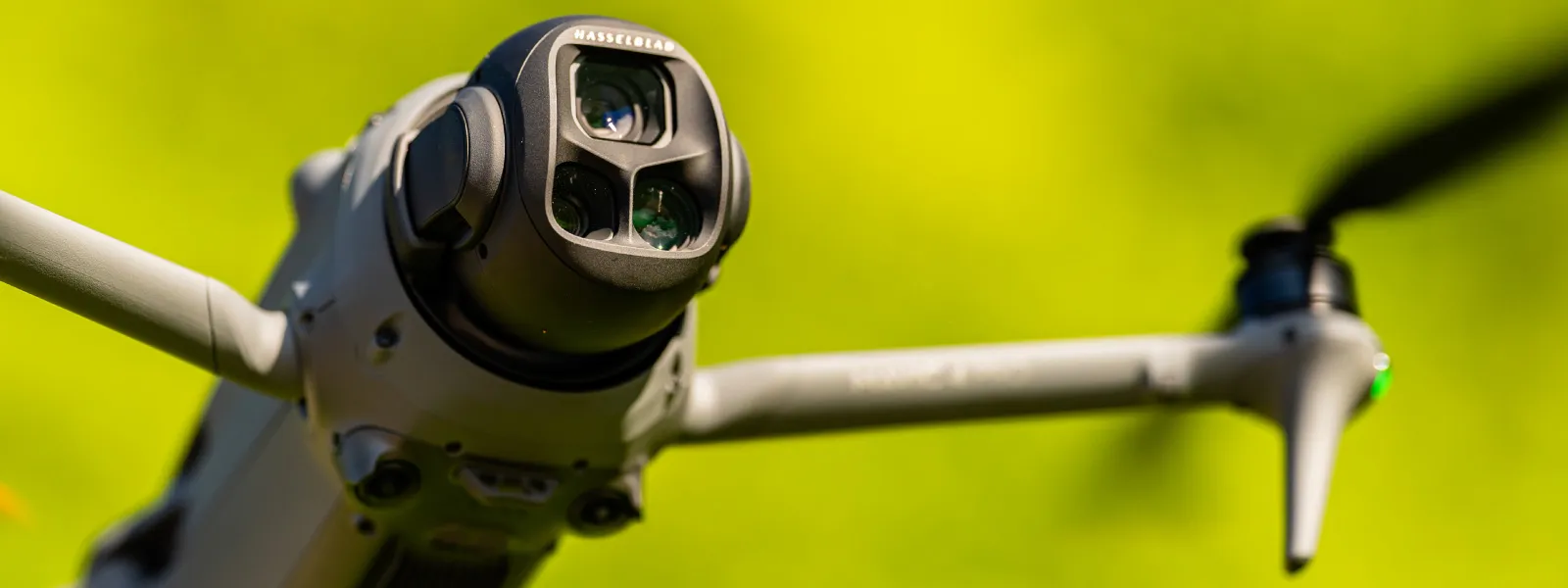
In the air, the DJI Mavic 4 Pro at 2,099 euros has the best image quality of any foldable consumer drone, with a 100 megapixel four thirds Hasselblad sensor.
 On the ground, a used full frame body is far better value than a new one. A Sony A7 III runs roughly 630 to 990 euros used and a Nikon Z5 from around 330, and either is more camera than most photogrammetry needs. Pair it with a prime rather than a zoom so nobody accidentally changes focal length halfway through a capture.
A word on lenses. Third party glass has not become cheaper in absolute terms, because tariffs pushed prices up across the whole industry through 2025 and 2026. What happened instead is that Viltrox, TTArtisan and Samyang held their prices while the first party brands climbed, so the gap widened considerably. A Viltrox autofocus prime often costs about a fifth of the Sony equivalent at the same focal length and aperture. They are not cheaper than they were, they are a much better deal than they were.
With Pixpro Premium at 50 euros a month, this tier lands around 5,000 euros.
Survey Grade Is Ground Control, Not a Drone
Here is the part most gear guides get backwards, including mine last year.
Survey grade accuracy does not come from the aircraft. It comes from referencing, and ground control points remain the most accurate referencing method there is, more accurate than photo RTK. Which means any setup above becomes survey grade the moment you add an RTK rover and place control points on the site.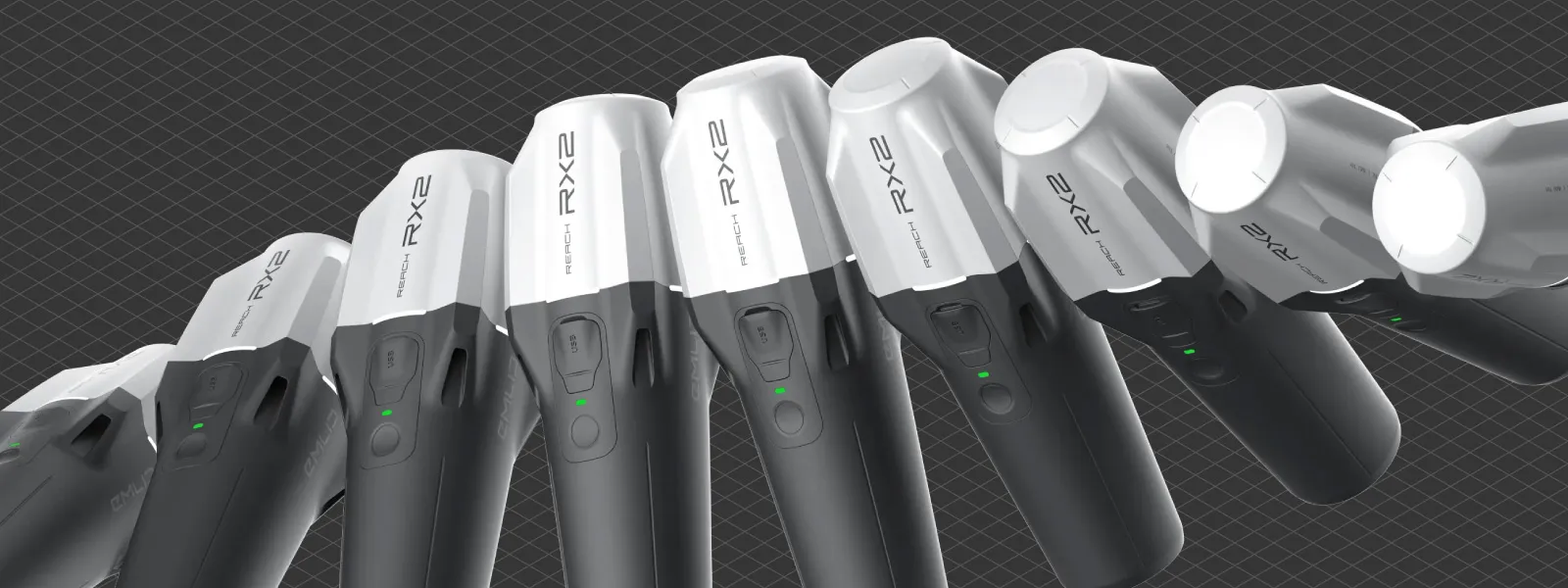 An Emlid Reach RX2 rover is 1,999 euros, a Reach RS3 is 2,499, and if you are comfortable assembling things the ArduSimple RTK Smart Antenna is 759. Correction services run a few hundred euros a year, with the first year usually included. So a Mini 5 Pro plus a rover, around 2,800 euros all in, produces absolute accuracy that a 5,000 euro drone without ground control does not.
That is the cheap route, and for most people it is the right one.
The expensive route buys speed rather than accuracy. The DJI Matrice 4E at 5,198 euros is the replacement for the discontinued Phantom 4 RTK and the only DJI aircraft under about five kilograms with both built in RTK and a mechanical shutter. Its wide camera is a 20 megapixel four thirds sensor, RTK fix gives 1 cm plus 1 ppm horizontal, and it flies 49 minutes. What you are paying for is not placing targets on the ground every single time, which on a site you fly weekly adds up fast.
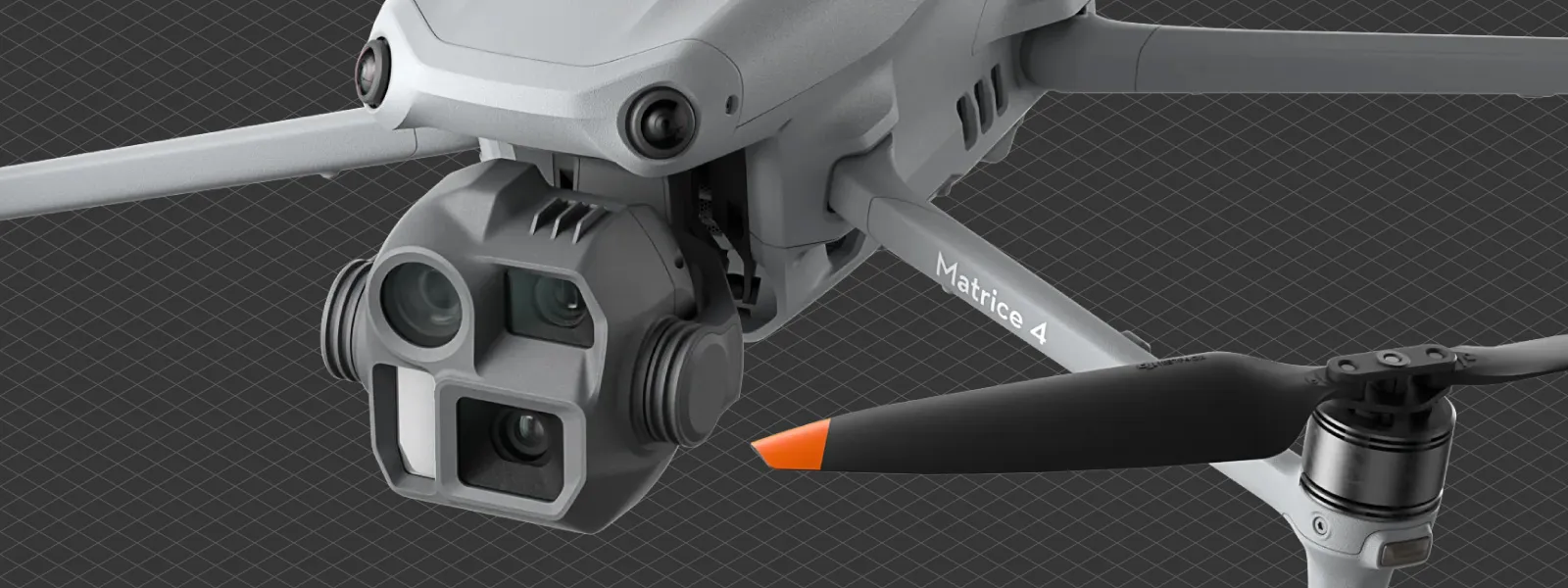 Worth knowing: DJI sells no RTK module for any consumer drone, so the aircraft route starts at the Matrice. Above it, the Matrice 400 at 13,257 euros carries the 45 megapixel full frame Zenmuse P1, with payload pricing quoted by dealers rather than published.
The mechanical shutter is a genuine advantage but a modest one. Rolling shutter gets talked about far more than it actually costs you in a normally flown mission, and I would not choose an aircraft on that basis alone.
On the terrestrial side, the Sony A7R VI arrived in June 2026 with a 66.8 megapixel stacked sensor, a mechanical shutter and pixel shift composites up to 265 megapixels, at about 5,099 euros. It is the body I would now call the professional photogrammetry choice. The A7 V at 2,999 euros is still excellent, and unless you need that resolution it is the one that avoids overspending.
Accessories Cost as Much as the Things They Attach To
Every budget guide underestimates this, including mine last year.
Batteries are the clearest case. A DJI TB100 for the Matrice 400 is 1,549 euros and the charging station another 1,349, which is a used car's worth of consumables bolted to an aircraft you already paid five figures for. Further down the range it is less dramatic and the same shape: fly more combos exist because DJI knows you will buy the second and third battery regardless.
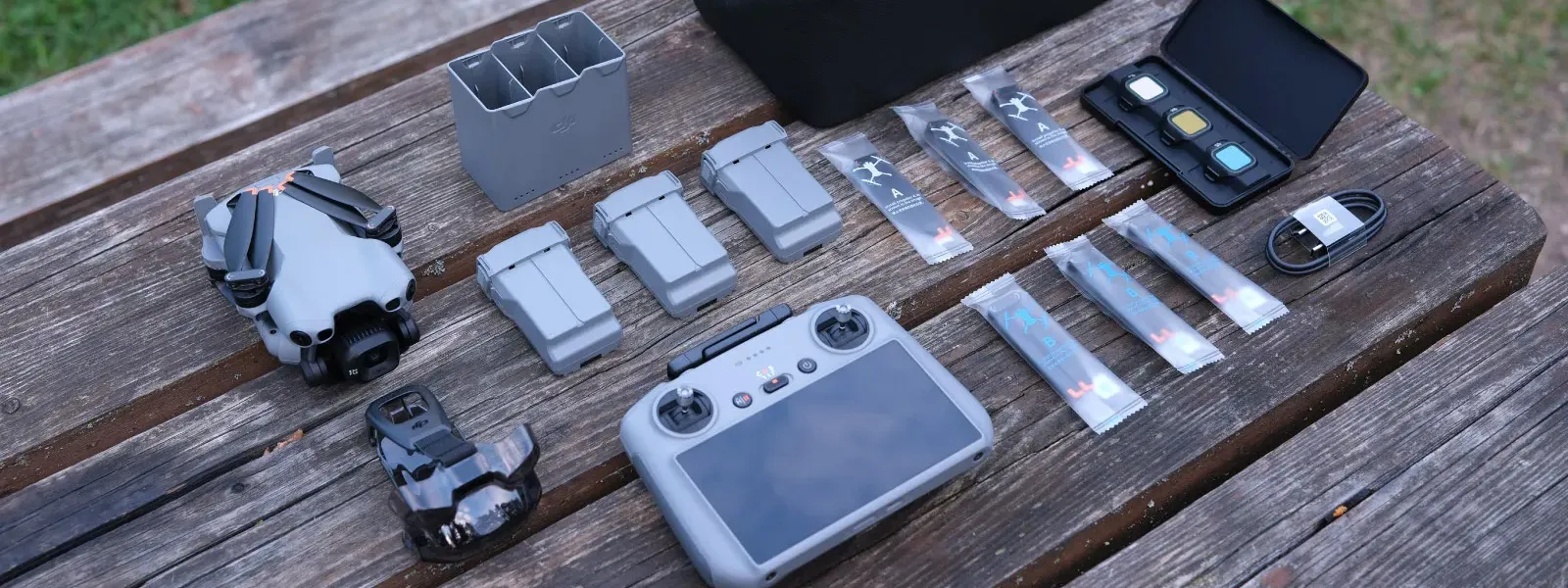 Then the rest. A fast memory card, which genuinely matters on long timed capture missions. ND filters so you can hold shutter speed down in bright light. A case, spare propellers, a controller with a usable screen, correction subscriptions, and field software for the rover.
A fair planning rule is to add 30 to 50 percent to whatever the aircraft or camera costs, and to treat the bundle price as the real price rather than the upsell.
Conclusion
The floor has dropped out of this in a good way. A complete working setup costs nothing if you own a phone, and about 450 euros if you want it in the air and automated. That was not true two years ago.
Survey grade has not got cheaper, but it has got clearer: it comes from ground control, not from the badge on the aircraft, so the cheapest honest route to it is a modest drone and a rover rather than an expensive drone on its own. The one thing I would avoid this year is spending heavily on memory, because that is the single component the market has turned into a bad deal, and cloud processing exists so you do not have to.
Frequently Asked Questions
What is the cheapest way to start photogrammetry in 2026?
Free. Use the phone you already own and a free processing tier like RealityScan or 3DF Zephyr Free, or a cheap cloud subscription if your computer is not strong enough. You do not need to buy anything to produce a real, measurable 3D model.
Do I need a drone for photogrammetry?
No. Plenty of scanning happens on the ground, by hand, of interiors, facades and objects. A drone gets the camera into positions you cannot otherwise reach, like the middle of a roof, which is why it becomes worth the money for site work.
What is the best budget drone for photogrammetry?
The DJI Lito X1 at 419 euros, mainly because it is 249 grams and flies automated missions through Pixpro Waypoints. A used Mini 3 Pro at around 550 euros is the cheaper alternative.
Do I need an RTK drone for survey grade accuracy?
No. Ground control points are the most accurate referencing method available, more accurate than photo RTK, so a consumer drone plus an RTK rover and control points gets you there. An RTK aircraft saves you the work of placing targets, which matters on sites you fly repeatedly.
Why is a photogrammetry computer so expensive right now?
An AI driven memory shortage has raised DDR5 RAM roughly four to five times and SSDs around three times in twelve months, and photogrammetry depends heavily on both. Cloud processing sidesteps the problem, which is why it belongs in every tier of this guide.
Is a used camera good enough for photogrammetry?
Yes, and it is usually the smarter buy. A used Sony A7 III or Nikon Z5 with an affordable prime outperforms a newer body with a kit zoom for considerably less.
About the author
Lukas Zmejevskis
Photographer - Drone Pilot - Photogrammetrist. Years of experience in gathering data for photogrammetry projects, client support and consultations, software testing, and working with development and marketing teams. Feel free to contact me via Pixpro Discord or email (l.zmejevskis@pix-pro.com) if you have any questions about our blog.
Related Blog Posts
Our Related Posts
All of our tools and technologies are designed, modified and updated keeping your needs in mind

Other
What Photogrammetry Software Actually Costs in 2026
Pricing pages in this industry are a mess. Some publish a number, some hide behind "contact sales", some quote a monthly figure that only applies if you pay a year up front, and several sell the processing separately from the software that does the processing.
 Pixpro Team
Sep 17, 2026

Other
Most Asked Photogrammetry Questions Part 5 - From Capture to Delivery
We are back with another installment of our photogrammetry FAQ series. These are ten more questions we hear often, from people getting started and from users already deep into their projects.
Pixpro Team
Aug 13, 2026
Other
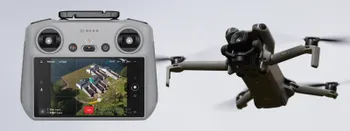
DJI Mini 5 Pro: Timed Shot During POI Tracking for Orbital Photogrammetry
Being able to run timed shot during POI tracking is a genuinely handy way to make quick orbital scans. Let me explain.
Pixpro Team
Jul 30, 2026
Ready to get started with your project?
You can choose from our three different plans or ask for a custom solution where you can process as many photos as you like!
Free 14-day trial. Cancel any time.