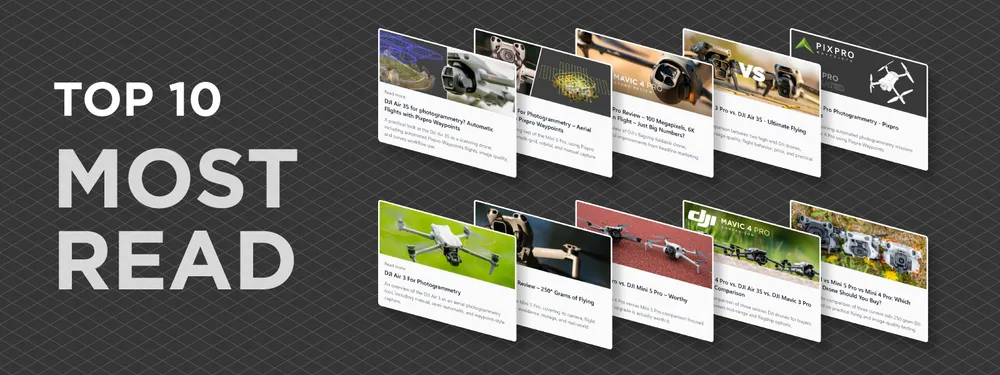
We have been publishing on this blog every week for years now, on everything from stockpile volumes and coordinate systems to scanning a cake. So it seemed like a good time to look at the numbers and see which posts people actually read, rather than which ones we enjoyed writing. More than two hundred articles in, this has quietly become the most consistently published photogrammetry blog on the internet, which at least means there is a decent sample to draw from.
The results are humbling in a specific way. I write a lot about photogrammetry technique, and you read about drones. Every single entry in this top ten is a DJI drone review, comparison, or a post about flying one for scanning. Not one software tutorial, not one use case, not one of the deep technical pieces that took three times as long to write. Fair enough. Buying a drone is the expensive, irreversible decision, and the spec sheets are close to useless for telling you how one actually flies, so that is where people want a second opinion. Here is the countdown, from ten to one.
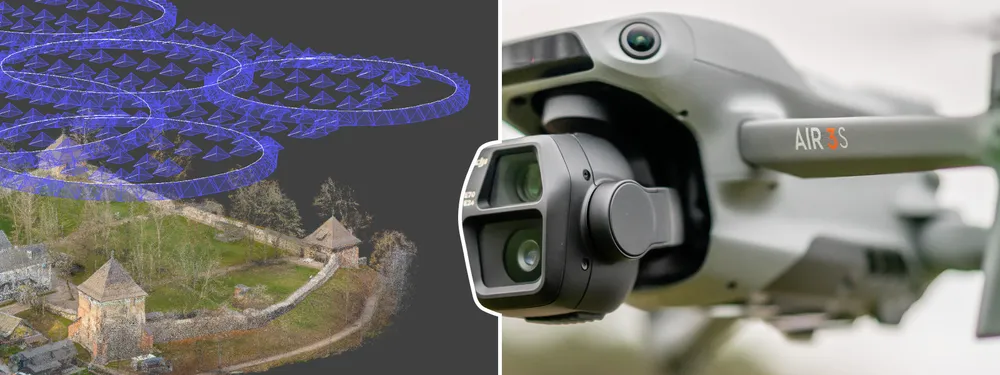
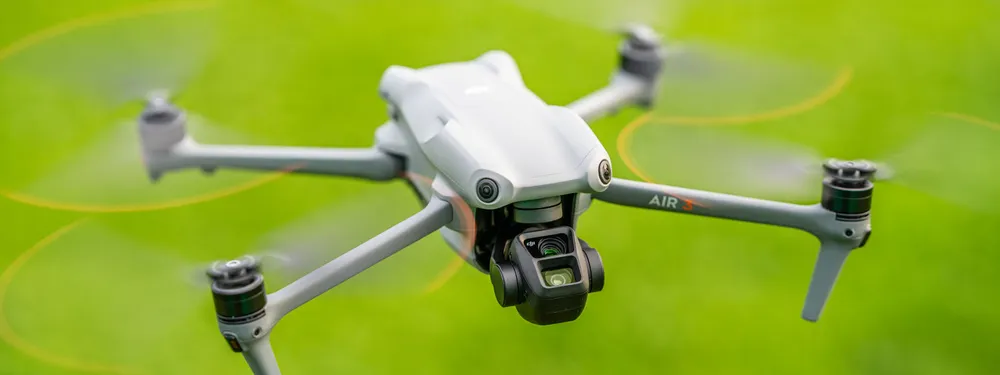
10. DJI Air 3S for Photogrammetry
The Air 3S is one of the easiest mid-size drones to recommend, and this post covers what it is actually like as a scanning platform rather than a camera for holiday videos. Automated flights with Pixpro Waypoints, image quality, and where it fits for survey work. If you want one drone that does everything reasonably well without moving into enterprise pricing, this is usually the answer.
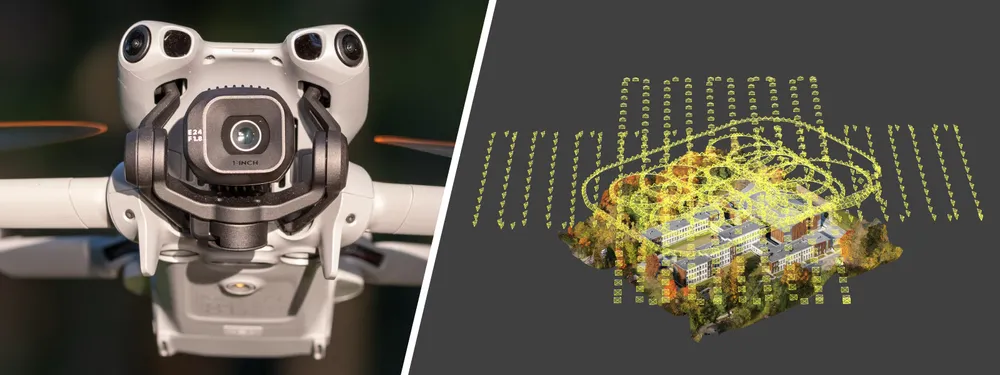
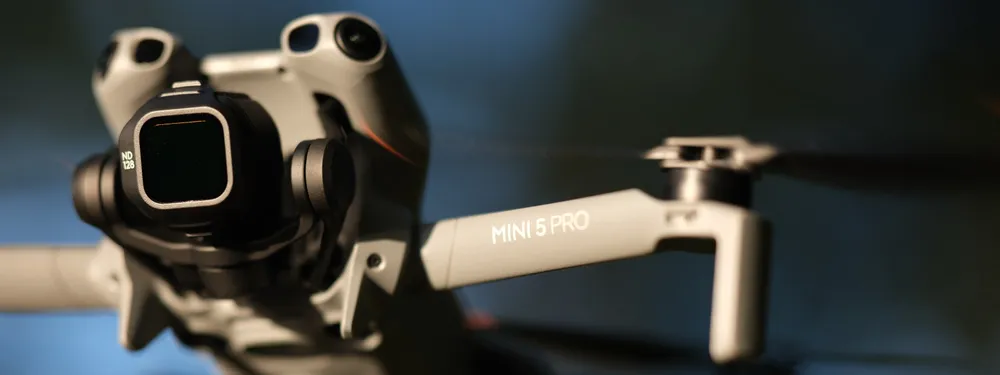
9. DJI Mini 5 Pro for Photogrammetry
A 249 gram drone with a 1 inch sensor doing genuinely professional scanning. This one walks through a full school complex scan, over 1,300 photos across multi-grid, orbital, and manual passes, to show that the lightest legal class of drone is no longer a compromise.
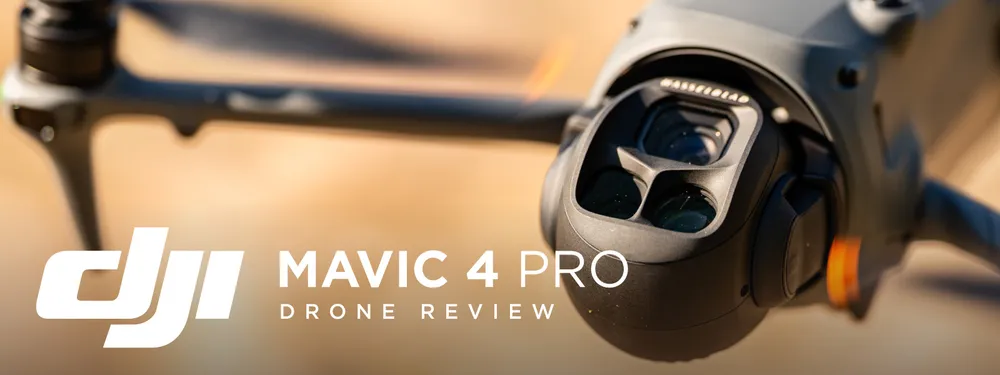
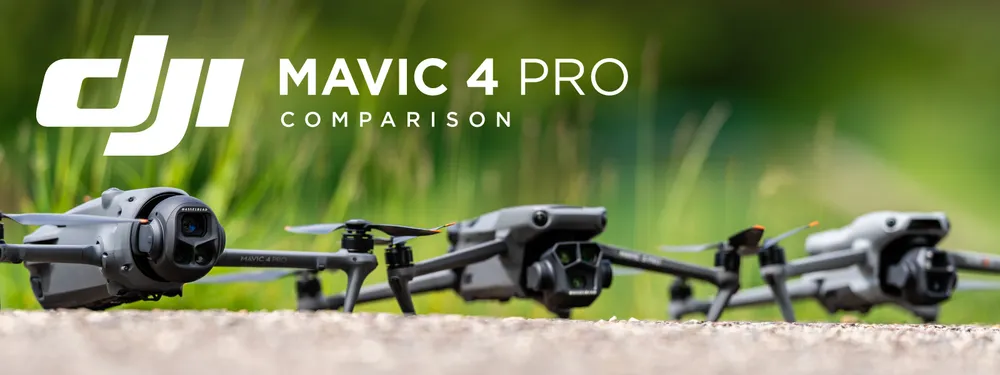
8. DJI Mavic 4 Pro Review
The flagship, and the question of whether the headline specification numbers mean anything once you are actually flying it. Big numbers, real improvements, and the parts that matter less than the marketing suggests. It is the best image quality you can get in a foldable consumer drone, which does not automatically make it the right drone for your work.
7. DJI Air 3S vs Mavic 3 Pro
Two excellent drones sitting close enough in price and capability that people genuinely get stuck between them. This is the comparison that sorts out which one suits which kind of work.
6. DJI Mini 4 Pro Waypoints
Automated, repeatable photogrammetry flights on a sub 250 gram drone, which used to be the exclusive privilege of enterprise hardware. The post that showed a lot of people their little Mini could fly proper missions.
5. DJI Air 3 for Photogrammetry
The predecessor to the Air 3S, and still a very capable scanning drone. Worth reading if you own one already or are looking at the used market, which is where a lot of good value hides.
4. DJI Mini 5 Pro Review
The full review of the drone that keeps showing up on this list. A 1 inch sensor in a 249 gram body, which is the kind of thing that would have sounded made up a few years ago, and it flies as well as it reads on paper.
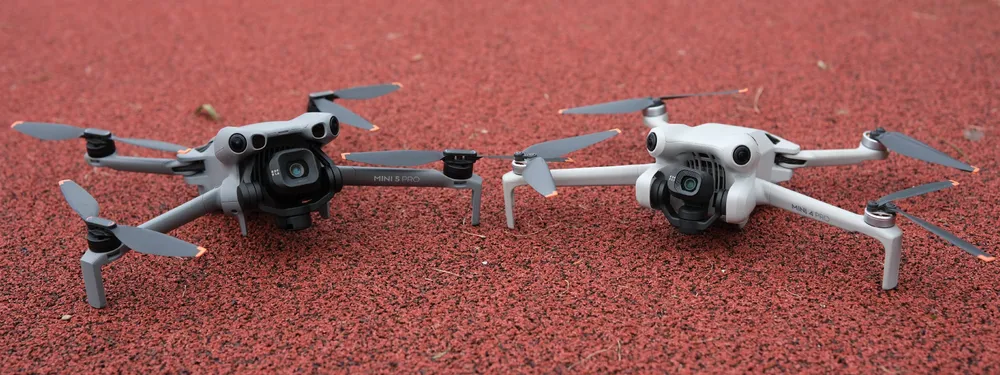
3. DJI Mini 4 Pro vs Mini 5 Pro
The upgrade question, asked properly. The Mini 5 Pro is a competent evolution rather than a revolution, and this compares them honestly enough to tell you whether your Mini 4 Pro is still fine. Often it is.
2. DJI Mavic 4 Pro vs Air 3S vs Mavic 3 Pro
A concise three way comparison across the mid to flagship range, for people spending serious money and wanting a straight answer rather than a spec table they could have read themselves. Apparently a lot of you were in exactly that position, and the fact that this one sits so high suggests the choice between these three is harder than DJI's marketing makes it look.
1. DJI Lito X1 vs Mini 5 Pro vs Mini 4 Pro
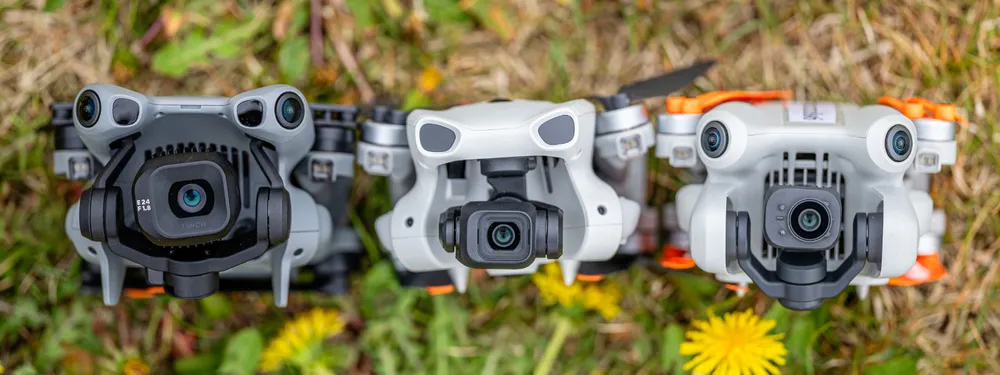
The most read post on this blog, and it makes sense. Three current sub 250 gram DJI drones, nearly identical on the spec sheet, all sitting on the same shelf at similar prices. The differences are small but real, and picking the right one is a genuine question. This is our answer, based on flying all three rather than reading about them. That it landed at number one tells you exactly how many people are standing in front of that shelf.
Two Honorable Mentions
DJI Mini 2 SE Review
Proof that the cheap end of the range still matters to a lot of people. Not everyone is shopping for a flagship, and a budget drone in capable hands still produces usable scans.
Sony A7 IV Focus Bracketing
The one outlier, and the only non-drone post to come anywhere near this list. In-camera focus bracketing for small scale and close up scanning, which is a genuinely useful trick and evidence that a few of you are here for the camera work too.
Conclusion
The pattern is not subtle. People come to this blog to decide which drone to buy, and mostly which small DJI drone to buy. That is a reasonable thing to want help with, and we will keep writing those, because the lineup keeps changing and somebody has to fly them all back to back.
That said, if you found us through a drone comparison and stopped there, the rest of the blog is where the actual craft lives. Overlap and coverage, measuring volumes, coordinate systems, orthophotos, and all the unglamorous things that decide whether your scan is any good. None of those posts will ever outrank a Mini review, and that is fine, they are not written for the same moment. One helps you spend money once, the other helps you every time you fly.
I am comfortable calling this the best photogrammetry blog on the internet. Not the biggest, just the one that keeps turning up every week with work somebody actually did.
.svg@webp)